You searched "breast lift," "mastopexy new york," "breast lift without implants," "why are my breasts dropping" — and landed here. Good. A breast lift (the medical term is mastopexy) is one of the most satisfying procedures in plastic surgery for exactly one reason: it fixes the problem that augmentation alone can't.
About 153,000 breast lifts were performed in the United States in 2024, and roughly a third of those were combined with implants. This guide explains what a lift actually does, how surgeons grade sagging (ptosis), every incision pattern from the smallest to the traditional anchor lift, the hugely common "lift vs implants vs both" dilemma, what results and scars really look like, and the risks and recovery reality. For the numbers, our NY/NJ breast lift cost guide itemizes everything, and the recovery timeline walks you through week by week.
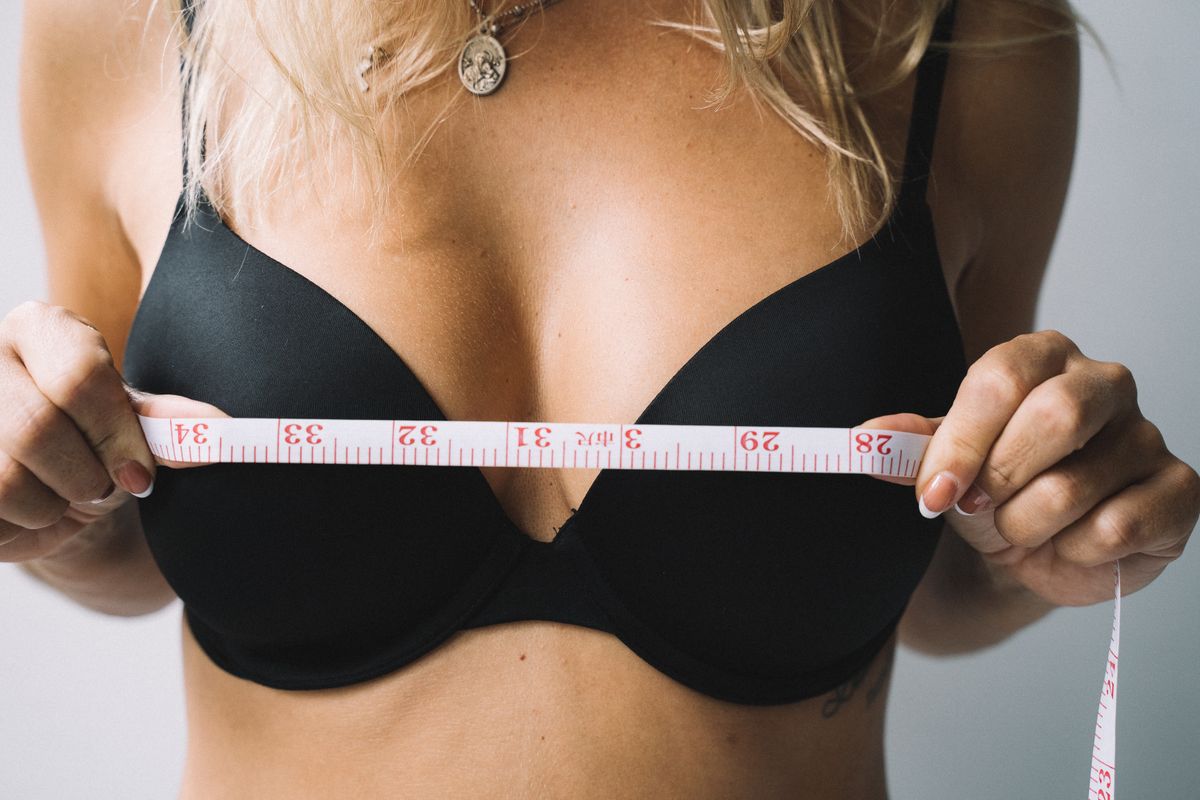
1. What Is a Breast Lift (Mastopexy)?
A breast lift reshapes and raises the breast by removing excess skin, repositioning the nipple-areola complex higher on the breast, and tightening the tissue beneath. It does not meaningfully change breast volume — and it does not put anything in. That last part is where most confusion begins: a lift removes skin and repositions; an augmentation adds volume; they answer different questions.
Why do breasts sag in the first place?
- Gravity and aging stretch skin and Cooper's ligaments.
- Pregnancy and breastfeeding inflate and then deflate the breast, leaving looser skin.
- Weight loss deflates fatty breast tissue without removing skin.
- Genetics and smoking — collagen quality determines how much bounce-back you have.
One of the kindest truths in this space: sagging is biology, not failure. Mammary glands involute over time; it happens to almost everyone. A lift is correction, not punishment.
2. Degrees of Sagging (Ptosis Grades)
Surgeons grade ptosis by where the nipple sits relative to the breast crease (inframammary fold, IMF):
| Grade | Nipple position | Typical fix |
|---|---|---|
| Grade I (mild) | Nipple at the level of the IMF, breast tissue hanging slightly below | Periareolar/donut or small vertical lift; often implants enough |
| Grade II (moderate) | Nipple clearly below the IMF but above the lower breast contour | Vertical (lollipop) lift — the workhorse |
| Grade III (severe) | Nipple well below the IMF, at or near the bottom of the breast | Anchor (inverted-T) lift or vertical lift with parenchymal reshaping |
| Pseudoptosis | Nipple at or above IMF but breast tissue drops below the fold ("deflated tube" look) | Often implants (fill) or a lift with lower-pole tightening |
This grading drives everything — because a woman with grade I ptosis does not need an anchor lift, and a woman with grade III ptosis cannot be satisfied with a donut lift. Which is why the most important early conversation is an honest diagnosis of your grade.
3. The Incision Patterns, From Smallest to Largest
Crescent lift
A tiny incision shaped like a crescent at the upper edge of the areola. It lifts the nipple a few millimeters — barely more than a cosmetic tweak. Reserved for the very mildest cases, often combined with implants.
Benelli (donut / periareolar) lift
Incisions circle the entire areola and pleat the surrounding skin like a purse-string. It's the least scarring of the "real" lifts, works for mild ptosis, and risks a flattening of the upper pole or a widened areola if overused.
Lollipop (vertical) lift
An incision around the areola plus a vertical line straight down to the breast crease. The standard for grade II ptosis — it delivers real lift with a scar that stays hidden under a bra or bikini. The vertical line is the trade most patients accept happily.
Anchor (inverted-T) lift
The traditional full lift: areola ring, vertical line, and a horizontal line along the crease. The most powerful at addressing significant sag, but the longest scars and the greatest wound-healing risk at the T-junction. The result can be the most dramatic of all — when correctly indicated.
| Technique | Scar pattern | Best for | Downtime |
|---|---|---|---|
| Crescent | Semicircle at top of areola | Very mild ptosis; with implants | Minimal |
| Benelli / donut | Circle around areola | Mild ptosis (grade I) | 1 week desk |
| Lollipop / vertical | Areola + vertical line | Moderate ptosis (grade II) | 7-10 days desk |
| Anchor / inverted-T | Areola + vertical + crease line | Severe ptosis (grade III) | 10-14 days |
4. Lift, Implants, or Both?
This is the single most common decision point — and the most mis-sold one. Two honest rules:
- A lift does not make breasts bigger. It reshapes and tightens. If lost volume is your real complaint, a lift alone will disappoint.
- Implants do not fix sag. In mild cases the fill can disguise it; in moderate-severe cases an implant just makes a heavy hanging breast heavier — accelerating the "bottoming out" it was meant to fix.
So the pragmatic algorithm: mild sag + volume loss = implants; moderate sag + acceptable volume = lift alone; moderate-severe sag + volume loss = augmentation-mastopexy (both, usually in one operation). The combined procedure is longer (2.5-3.5 hours), drives the price up — details in the cost guide — and carries slightly higher complication rates, but the "silhouette result" is often the best single operation in breast aesthetic surgery.
5. Who Is a Good Candidate for Mastopexy?
- Stable weight — a lift is undone by significant weight loss or gain afterward.
- Non-smoker, or willing to stop 4-6 weeks before and after (smoking materially raises wound complications at the T-junction).
- Finished with future pregnancies, or at least aware that pregnancy will change the result.
- Realistic about scars — a lift trades sag for scars, period; recovery and cost conversations in the recovery guide.
- Breasts distorted more by skin than by heavy glandular tissue (very heavy breasts are often better served by a breast reduction).
6. The Procedure, Results, and Scars
Surgery: mastopexy takes roughly 1.5-3 hours under general anesthesia, as an outpatient. The surgeon makes the agreed incisions, tightens the internal tissue, repositions the nipple-areola complex, and closes with layered sutures. Drains are rarely used unless implants are added — one more reason the recovery feels manageable. Some surgeons use a "short-scar" vertical approach (with a special suturing technique) to avoid the anchor line even in grade III cases.
Results: you'll see an immediate rise in breast position; the final shape, projection and nipple placement settle over 2-3 months as swelling fades and scars begin maturing. Scars start pink and firm, then soften and fade over 6-12 months — the vertical line is the one most women notice, and the crease line hides well in most underwear and swimwear.
Longevity: a well-performed lift typically holds 5-10+ years, longer when weight is stable and no implants are adding downward load. Gravity always wins eventually — that's a biology statement, not a procedure failure.
7. Risks: The Honest List
- Scarring — the #1 persistent trade-off. Anchor patterns scar most; a small minority develop keloids or widened scars.
- Bottoming out — the lower breast stretches and drops over months/years, more common with heavy breasts or without internal support sutures. This is the most common cause of "the lift didn't last."
- Nipple sensation changes — numbness or hypersensitivity in up to ~10-20%; usually temporary, occasionally permanent.
- Nipple necrosis or wound breakdown — rare but real, most often at the inverted-T junction, more likely in smokers.
- Asymmetry — no two breasts are twins; revisions exist.
- Skin quality caveat: thin, inelastic skin (from smoking or age) lifts more slowly and tophless reliably.
8. Cost in 30 Seconds
A breast lift in the US averages around $8,000-$13,000 all-in in 2026. In New York and New Jersey, board-certified surgeons typically quote $9,000-$15,000+, and adding implants (augmentation-mastopexy) commonly runs $13,000-$20,000+. The combined procedure usually saves one surgical episode about $1,500-$3,000 versus doing two operations. Full itemization, insurance notes and financing live in our NY/NJ breast lift cost guide.
Before you decide, compare the alternatives with the tools we've collected: breast surgery services, every breast guide we've published, and — if your concern started after pregnancy — the honest context in our augmentation guide and reduction guide.
FAQ — Quick Answers
How much does a breast lift cost? $8,000-$13,000 nationally, $9,000-$15,000+ in NY/NJ for a board-certified surgeon; adding implants raises it to roughly $13,000-$20,000+.
Do I need a lift, implants, or both? Mild sag + volume loss usually needs implants; moderate sag + fine volume usually needs a lift; both problems need augmentation-mastopexy.
Can I get a breast lift without implants? Yes — very common, and often the best choice for women who want existing breast tissue lifted without added volume; the result is typically a smaller, perkier breast.
What does a breast lift scar look like? Crescent = areola top; donut = around the areola; lollipop = adds a vertical line; anchor = adds a crease line. Pink initially, fading over 6-12 months.
Do breast lifts need drains and long downtime? Drains are rare in a routine lift; figure 7-10 days off desk work, light exercise at 2-3 weeks, full activity at 4-6 weeks.
What are the main risks? Scars, bottoming out, nipple sensation changes, T-junction wound issues, and asymmetry — each more manageable with the right technique and an honest plan.