Recovery after breast reconstruction doesn't start from a calm, healthy baseline — it stacks on top of your mastectomy recovery, with more drains, more stages, and (if you chose a flap) a second wound somewhere else on your body. Knowing that up front is exactly why this timeline is worth reading before surgery, not after.
The summary: implant-based stages ask for 4-6 weeks of respect each; autologous (DIEP) recovery asks for 6-8. But patients who plan it — who arrange help, book time off, sort a bra drawer, and understand expander fills — describe recovery as "predictable," which is the highest praise available. It complements our reconstruction guide, the cost guide, and the mastectomy guide that precedes it.
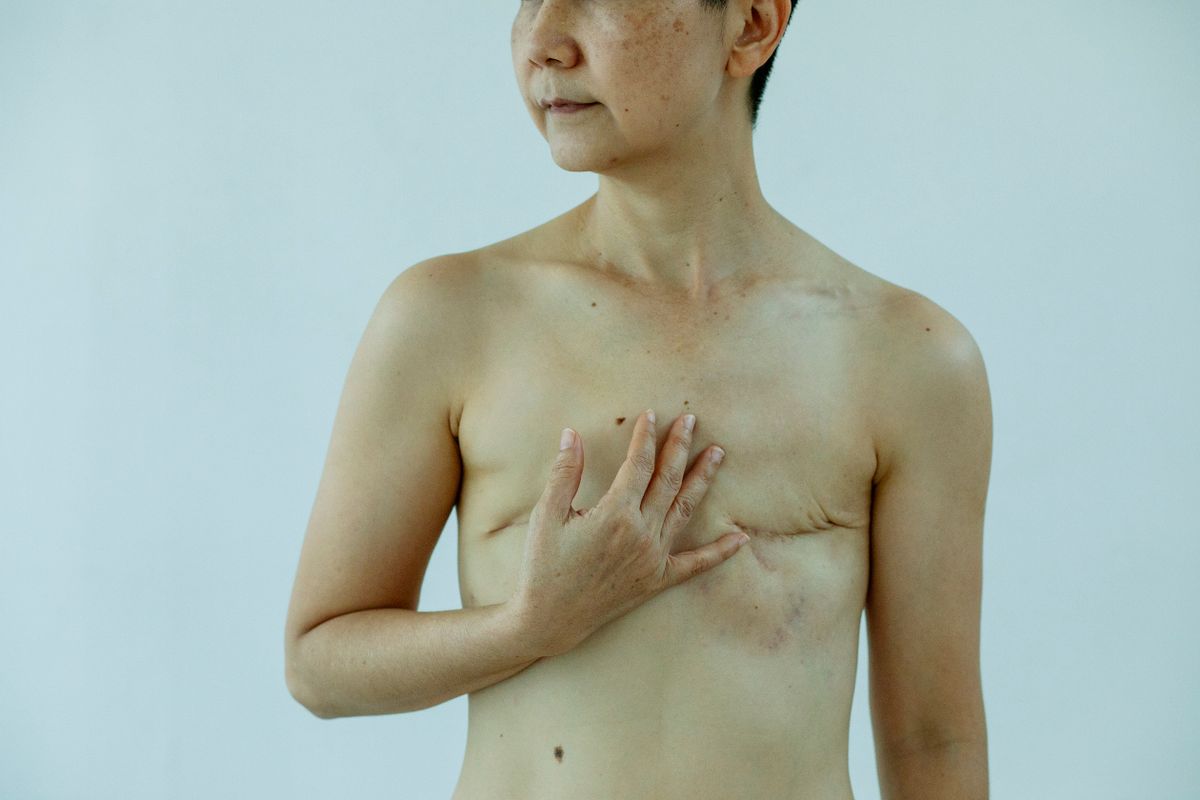
1. The Three Recoveries, Straight
| Recovery type | What it involves | Typical timeline |
|---|---|---|
| Expander or implant stage (each) | Short operation, drains, bra, gentle healing | Desk 1-2 wks; full activity 4-6 wks |
| Expander clinic fills | Saline fills every 1-2 weeks, pressure for a day or two | 2-6 weeks of fills; exchange at 2-6 months |
| Autologous (DIEP/TRAM/latissimus) | Microsurgery 6-8 hrs, donor-site wound, longer restriction | Home in 2-4 days; full activity 6-8 wks |
| Nipple reconstruction + tattoo | Small procedure(s), short downtime | 1 week gentle; 3-6 months for tattoo shading |
2. Days 0–2: The First 48 Hours
Implant-stage surgery is typically outpatient or a one-night stay; a DIEP flap usually means a 2-4 day hospital stay with hourly nursing checks on the transferred tissue — that's what "flap monitoring" means, and it's the reason flap outcomes are so good.
- Multiple drains are normal — two to four bulbs (chest plus, for DIEP, the abdomen). You'll manage them twice a day.
- Pain control is layered: IV/scheduled meds early, then oral. Flap patients feel it in two places — chest and donor site. Sitting up with bent legs protects both after a DIEP.
- No showering until drains and dressings allow it; sponge baths are the norm for days.
- Gentle walks begin day 1 to prevent clots — escorted, slow, short.
- Sleep elevated on your back. The expander or flap must not be compressed.
3. Week 1: Drains Out, First Milestones
- Most drains come out around days 5-14 when output is low; the moment improves dramatically after.
- Sutures/staples addressed at follow-up; showering starts when cleared.
- Fiber + fluids + stool softeners: narcotics plus abdominal weakness after a flap make constipation the least-discussed recovery villain.
- No lifting over 5-10 pounds, no overhead reaching, no driving (narcotics + drains + reaction time).
- Support bra 24/7 — front-closure, wire-free, for every stage.
4. The Expander Ride (Weeks 2–6)
If you chose the expander path, the clinic visits themselves become part of your recovery: every 1-2 weeks, saline is injected through a small port to gently stretch the skin. Expect tightness and pressure for a day or two after each fill — rarely sharp pain. Fills continue to target volume, then the exchange surgery (expander → permanent implant) happens 2-6 months later, often after radiation or chemo has fully finished.
5. Weeks 2–3: Desk Work, Light Returns
- Desk work typically resumes at 2-4 weeks (implant stages) and 3-6 weeks (DIEP), depending on desk setup and commute.
- Light cardio (walking, easy cycling) is allowed with clearance — nothing bouncing.
- Scar massage and silicone sheets begin once incisions are closed.
- Numbness over the chest (and the DIEP donor site) is expected; sensation returns over many months.
6. Weeks 4–8: The Full-Activity Line
- Implant stages: full exercise and chest work at 4-6 weeks per stage; underwire back at 6-8 weeks.
- DIEP: core work is the last thing to return — the abdominal donor site needs 8-12 weeks before sit-ups or heavy planks; discuss a graded core program with your team. Chest work at 6-8 weeks.
- Underwire: after each stage, cleared usually at 6-8 weeks — always via your surgeon.
7. The Rest of the Road
Final stacking stages — nipple reconstruction (a short procedure) and 3D tattooing — happen when the mound has finished healing, often 3-6 months after the exchange or flap. Recovery for each is short: a week gentle, light scar care, and the tattoo itself with normal tattoo healing. Many patients call this stretch "the fun part" — the first time it feels like their own body again. More in the surgery guide.
8. Red Flags That Beat Any Schedule
- Fever over 101°F or chills — infection.
- A flap, nipple or skin island turning dusky, blue or purple — possible blood-flow compromise; this is the one to call about fastest.
- Sudden one-sided swelling, a tense breast, or severe pain — hematoma or expanding seroma.
- Chest tightness with breathing trouble, or calf pain — emergency; get checked immediately.
- Donor-site separation with spreading redness — the DIEP belly incision is treated as seriously as the chest.
- Asymmetry that worsens between fills — worth a call, not a wait.
9. Preparing Your House (and Head)
- Freeze meals for the drain weeks; one-armed reheating is the unspoken recovery skill.
- Move everything heavy to waist level — the reach rule applies to every stage.
- Arrange rides: you cannot drive on narcotics, and expander appointments are frequent.
- Book the help: the first week of each stage deserves another adult in the house, not a brave solo act.
That's the full map — planned recovery beats surprised recovery every time. For the decision side, read the reconstruction guide; budget with the NY/NJ cost guide; and compare programs through our breast surgery services or any breast guide.
FAQ — Quick Answers
How long is recovery after breast reconstruction? Implant stages: desk work 1-2 weeks, full activity 4-6 weeks each. DIEP flap: home in 2-4 days, desk 3-6 weeks, full activity 6-8 weeks, core longer.
Do I have drains? Yes, usually multiple for a week or two per stage — they come out when output is low, and your daily emptying ritual becomes routine fast.
What is an expander fill and does it hurt? A small office saline injection every 1-2 weeks for 2-6 weeks; expect pressure and tightness for a day or two, exchange surgery 2-6 months later.
When can I exercise? Walking day one; light cardio at 2-3 weeks (implant) or 3-4 (flap); no chest work for 4-6 weeks; DIEP core work out to 8-12 weeks.
What bra during reconstruction? Wire-free front-closure or surgical support 24/7 for the first weeks of each stage; underwire returns at 6-8 weeks with clearance.
What warnings deserve an immediate call? Fever over 101°F, dusky flap or nipple color, sudden one-sided swelling/severe pain, breathing trouble, or donor-site separation with spreading redness.