Brow lift recovery is famous for being gentler than it sounds — the incisions hide in the hair, the operation is only an hour or two, and there is no face wrap or drain jazz to manage. But "gentler than a facelift" is not "nothing." Patients who know what normal looks like — the week of pressure-headache, the months of forehead numbness, the surprising drop the brow takes in weeks two through six — treat recovery as a process instead of a panic.
This is the honest week-by-week brow lift recovery guide: anesthesia and the first 48 hours, the step-by-step healing timeline, pain, swelling and bruising expectations, the scalp numbness that surprises so many people, scar and hair care, when work, driving and exercise return, and the short list of red flags. For the clinical and cost sides, pair this with the brow lift surgery guide and the cost breakdown; neighboring recovery guides live in our blog library.
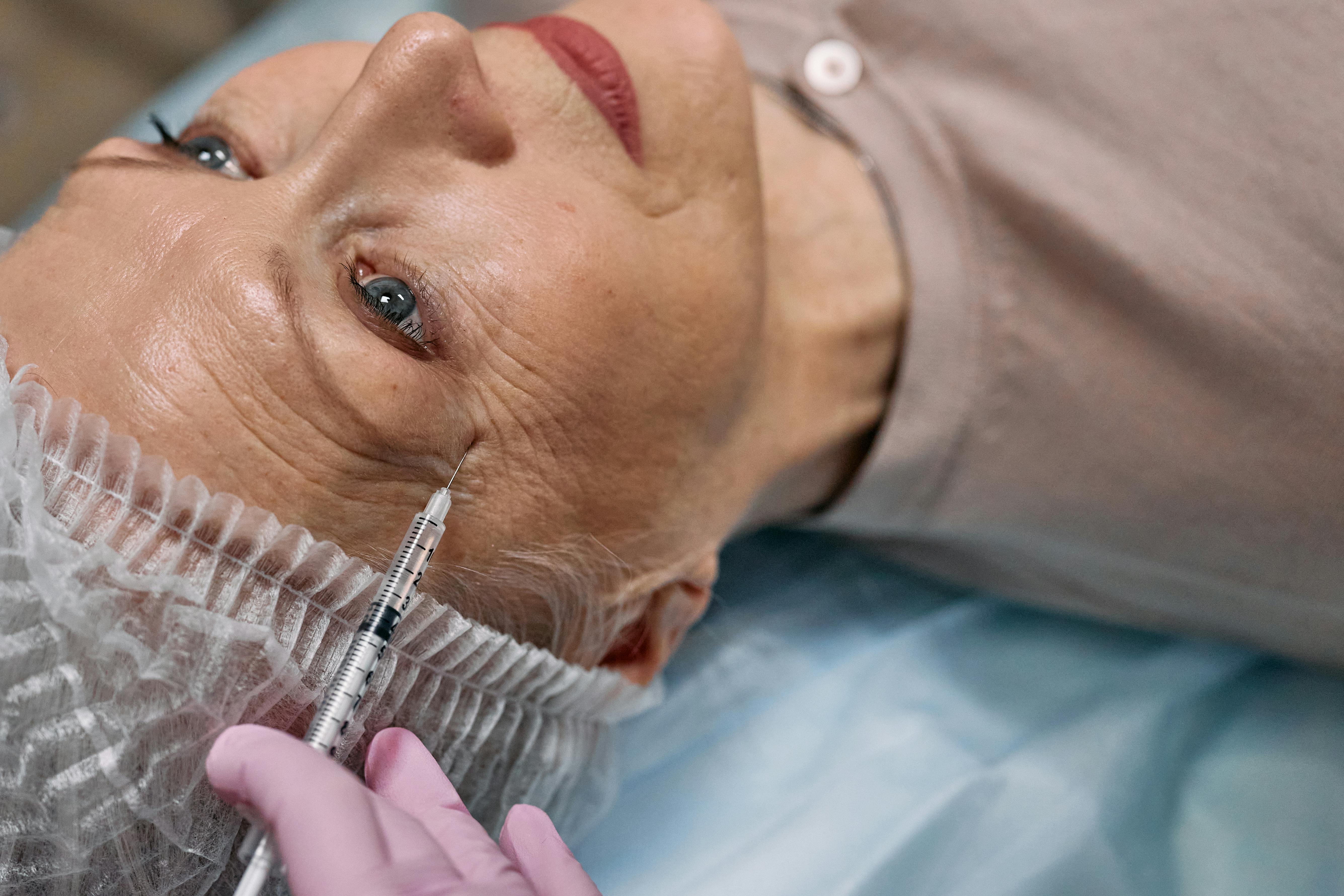
1. Anesthesia and the First 48 Hours
Brow lifts are most often performed under general anesthesia or deep IV sedation for one to two hours. You will wake with a light turbinage dressing, a forehead that feels tight and a little numb, and — by day two to three — swelling and bruising across the brow and upper lids that can nearly close the eyes. This "eyes swollen shut a bit" phase alarms patients who were not warned, so hear it here: it is normal, it peaks quickly, and it recedes within days.
- Cold compresses across the forehead and closed eyes, 20 minutes on, 20 off, for the first 48 hours — the single most effective swelling control.
- Elevation for the first week, plus a soft diet day one if you had IV sedation; nausea is common and treatable.
- Headache-style pressure rather than sharp pain is the norm — the scalp is stretched, not cut deeply. Take pain medication on schedule.
- No bending, lifting, straining or rubbing the forehead. Keep expressions loose; dramatic frowning tugs the repair.
- Someone with you for the first 24 hours to monitor for the significant-but-rare bleeding signs in Section 6.
2. Week-by-Week Healing Timeline
| Timeframe | What is normal | What you can do |
|---|---|---|
| Days 0–2 | Grogginess, pressure headache, swelling forming on brow and lids | Rest elevated, ice in cycles, medications as scheduled |
| Days 3–7 | Bruising peaks and shifts yellow-green; swelling softens; forehead and scalp numb | Loose schedule at home, protected showers, short walks |
| Week 2 | Staples or sutures out around day seven to fourteen; most visible swelling gone | Desk work, gentle outings, careful hair washing after clearance |
| Weeks 3–4 | Brow begins its final descent settling; swelling nearly flush; scars settle | Light exercise returns; resume most routines with scalp awareness |
| Months 2–3 | Brow height finalizes; numbness slowly improving; scars fade | Full exercise; continue sun protection on incisions |
| Months 6–12 | Sensation largely returns; hair density normalizes around incisions | Final result realized as nerves and scars finish maturing |
3. Pain, Swelling, Bruising and the Numbness Nobody Warns You About
Pain presents as a band of pressure across the scalp — patients call it "headache and tightness" more than pain — strongest days one to three, then on a rapid glide down. Prescription medication covers the worst; by day five most people are on occasional acetaminophen. Swelling peaks at day two to three, visibly recedes by day five to seven, and fully flattens over three to six weeks; the brow and lids look less "done" every day. Bruising, when it appears (not everyone gets much), is most obvious in the first week and fades completely by ten to fourteen days.
The headline surprise is forehead and scalp numbness. Nearly everyone loses sensation over the top of the scalp and forehead after a brow lift — it is the stretched and temporarily stunned sensory nerves doing their normal thing. Most sensation returns between three and twelve months, often with tingling, itching or electric "zings" that patients actually read as good news (nerves reconnecting). A minority keep small permanent numb patches, usually harmless. The key: this is expected, symmetrical, and not the alarming "something went wrong" feeling it briefly seems to be.
One more normal quirk: your brows will sit higher than their final position immediately after surgery and ease down as swelling fades and tissues settle over two to three months. Reserve judgment on the result until month three — this settling is designed in, not a complication.
4. Scar and Hair Care
Scalp incisions are engineered to vanish: endoscopic ports are small dots among hair, and a coronal scar sits behind the hairline. Protecting them is still a full-year habit:
- Washing: wait for clearance (typically day five to seven), wash with head tipped back to keep water off fresh incisions, and pat dry — never rub.
- Staples and sutures: removal happens at day seven to fourteen; soften crusts with the ointment your surgeon provides rather than picking.
- Blow-dryers and heat: low heat only, air away from incisions, for the first two to three weeks.
- Color and perms: wait two to three weeks, and warn your stylist about the healing scalp. Same for tight ponytails and heavy extensions.
- Sun: SPF 30+ on the incision line for a year; a hat is the practical best friend of a healing brow lift.
- Silicone strips along visible scar segments once healed, per surgeon instruction, flatten and fade them.
- Temporary hair thinning along incisions is common and usually regrows within months; persistent spots respond to topical treatments.
5. Returning to Work, Exercise and Life
- Work: desk jobs at seven to fourteen days — after staples come out. Extra cushioning for office chairs helps the scalp in week two. Physically demanding roles wait three to four weeks.
- Exercise: walking immediately; light cardio at three to four weeks; lifting, running and high-intensity classes at four to six weeks with clearance. Elevated blood pressure early on promotes swelling and shifts the repair.
- Driving: safe once you can turn your head freely and stop taking prescription pain medication, typically around day five to seven.
- Social life: invisible-swelling work by week two; fully natural by week four to six. Avoid alcohol for a week or two and heavy cover-ups until bruising clears.
- Sleep and posture: elevated head for two weeks; avoid face-down and side pressure; skip hot yoga, saunas and steam rooms until cleared.
If your plan combines a brow lift with upper eyelid surgery or a facelift, expect recovery to align to the longer of the two schedules — see our blepharoplasty recovery guide and facelift recovery guide for those halves.
6. Risks and When to Call
The brow lift's low nuisance rate hides a small list of real problems. Call immediately for:
- Severe, worsening headache or swelling, especially one-sided with rapid bulging — bleeding under the scalp can collect and needs evaluation.
- Continuous bleeding beneath dressings after the first hours.
- Fever, spreading redness, heat or increasing pain — infection needs attention.
- Weakness moving the forehead or closing an eye, or eyebrow asymmetry that develops rather than settles.
- Vision changes of any kind.
- Shortness of breath or chest pain — rare blood-clot considerations after any surgery.
Everything else belongs to the normal column: numbness, headaches, swelling, bruising, hairline adjustments, temporary thin hair along incisions, a brow that sits a touch high for weeks, itching as nerves wake up. Your follow-up visits are precisely to track these — photograph at each milestone and let your team compare.
FAQ
How long does brow lift recovery take? Most patients return to desk work and public life in one to two weeks, resume regular exercise at three to four weeks, and see the majority of swelling resolve by four to six weeks. The brow settles into its final height by two to three months, while scalp numbness and scar maturation continue for up to a year.
Is a brow lift painful? Expect pressure, headache-like tightness and scalp soreness rather than sharp pain, most noticeable in the first two to three days. Prescribed pain medication covers that window, and most patients are down to acetaminophen within a few days. Numbness of the forehead and scalp is more common than pain.
How long is the brow numbness and does it go away? Numbness over the forehead and top of the scalp is normal after every brow lift and resolves gradually over three to twelve months for most patients as sensory branches recover. Tingling and occasional electric zings are signs of nerves reconnecting. Persistent patches beyond a year are uncommon and usually manageable.
When can I return to work and exercise after a brow lift? Desk work typically resumes after seven to fourteen days once staples are out, with padding for scalp tenderness at office chairs and driving. Walking is fine immediately, other exercise returns around three to four weeks with clearance, and contact sports or heavy lifting wait four to six weeks. Straining early can shift swelling.
When can I wash and style my hair after a brow lift? Hair washing waits until the surgeon clears it, typically at day five to seven with a head-tilt-backward technique to keep water off fresh incisions, then routine washing resumes after staple removal at seven to fourteen days. Hair coloring, perms and heat styling usually wait two to three weeks, and gentle brushing avoids the incisions.
When should I call my surgeon after a brow lift? Call immediately for severe worsening headache or swelling, significant bleeding or pressure that keeps growing, fever or spreading redness suggesting infection, sudden difficulty moving your forehead or closing an eye, vision changes, or any complication that feels wrong after the first days. Reassurance calls are free.