You searched "dermal filler cost," "cheek filler new york," "lip filler vs surgical lip augmentation," or "juvederm nj" — and you deserve better than a clinic's before-and-after carousel. Dermal fillers are the fastest-growing corner of aesthetic medicine, and they're also the most commonly misunderstood. This guide is the patient-first version: what these gels really are, how the brands differ, which areas they treat, how long results last, what can go wrong (and how hyaluronidase fixes it), and what you should genuinely pay across New York and New Jersey.
Quick orientation: hyaluronic acid (HA) fillers — the Juvederm and Restylane families — account for the overwhelming majority of treatments, and they are reversible. A few non-HA products exist for deeper, longer-lasting volume. We'll cover both, but the whole guide assumes HA until a "Non-HA" label appears.
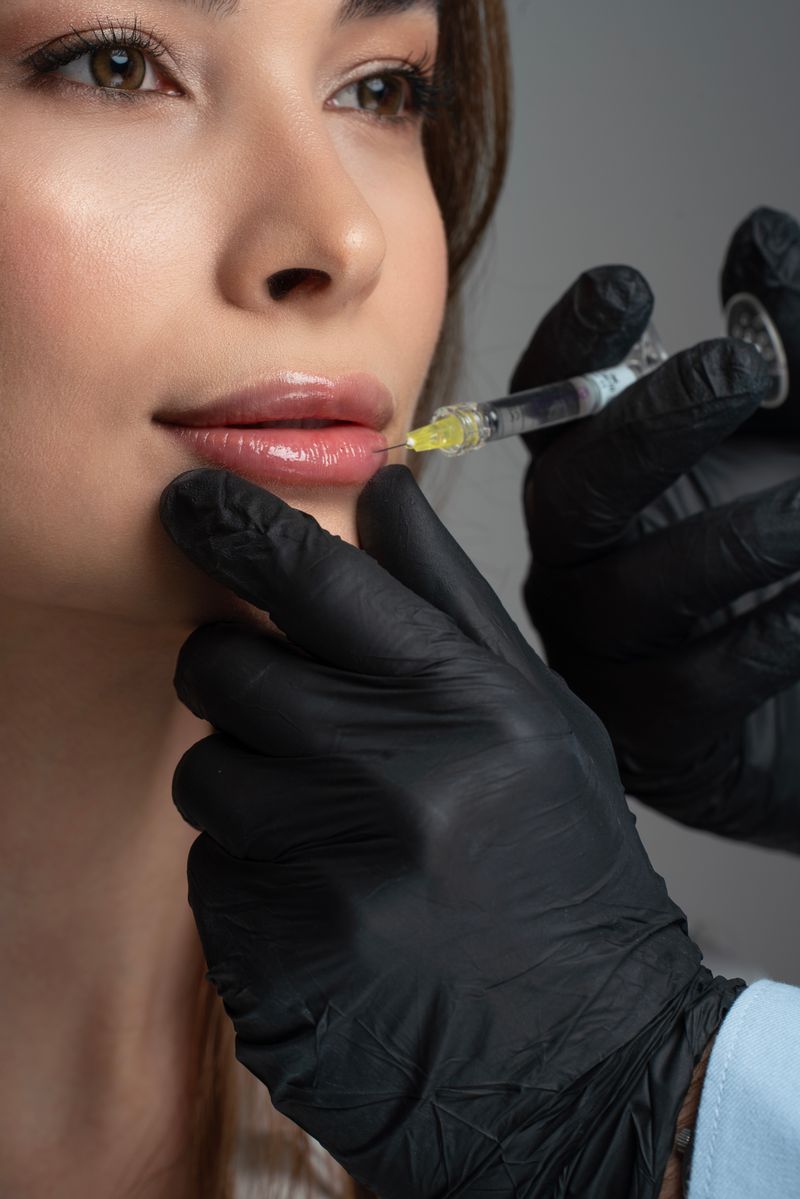
1. What Are Dermal Fillers?
A dermal filler is a gel injected under the skin to restore volume, redefine contours, or soften folds that age and genetics have hollowed out. Fillers work differently from Botox: Botox relaxes the muscle that creates a wrinkle; fillers physically fill a hollow, plump a lip, or lift a cheek. That's why the two are so often used together — "liquid facelift" is really just a smile-cost measure of strategic Botox plus filler placement.
By far the most common ingredient is hyaluronic acid, a sugar molecule your body already makes (it's what gives young skin its bounce). HA filler is hydrophilic — it attracts and holds water — which is why a syringe instantly adds visible volume. Your body gradually breaks the gel down over months, which is both the weakness (re-treatment needed) and the safety feature (nothing permanent unless you want it).
2. Juvederm vs Restylane: The Brand Breakdown
Both are Allergan (Juvederm) or Galderma (Restylane) HA lines, and neither is "better" — they're differently engineered gels matched to different jobs.
| Line | Formulations | Best for | Typical longevity |
|---|---|---|---|
| Juvéderm | Voluma XC, Volbella XC, Vollure XC, Ultra XC, Volux | Cheeks and midface (Voluma), lips (Volbella/Ultra), folds (Vollure) | 6–24 months |
| Restylane | Lyft, Kysse, Defyne, Refyne, Contour, Silk | Lift and contour (Lyft), lips (Kysse/Silk), dynamic areas (Defyne/Refyne) | 6–18 months |
| Belotero & others | Belotero Balance, RHA line | Fine lines, under-eye, very thin skin | 6–12 months |
Don't fixate on brand. A skilled injector often mixes two products in one visit — firm gel for cheek structure, soft gel for lips. The outcome is far more dependent on the person holding the syringe than the label on it.
3. Filler by Area: What Goes Where
| Area | Common products | Typical syringes | Longevity |
|---|---|---|---|
| Lips | Volbella, Kysse, Silk, Ultra | 0.5–1.5 mL | 6–12 months |
| Nasolabial folds | Ultra XC, Vollure, Restylane Defyne | 1–2 mL | 9–18 months |
| Cheeks / midface | Voluma XC, Restylane Lyft, Contour | 1–3 mL (often 2) | 12–24 months |
| Chin / jawline | Voluma, Volux, Lyft | 1–2 mL | 12–24 months |
| Tear trough (under-eye) | Belotero, soft HA blends | 0.5–1 mL per side | 6–12 months |
The "1 syringe = 1 mL" footnote matters more than most people realize: lips often need only part of a syringe start-to-finish, while well-balanced cheeks usually need two. A quote by "syringe" without a plan is meaningless — ask for a total plan in mL, by area, in writing.
4. Are You a Good Candidate?
- Volume loss from aging — hollowed cheeks, deepened folds, deflated lips, a receding chin.
- Décolleté, hands, or scar depressions — fillers are used beyond the face too.
- First-timers wanting a conservative, reversible starting point.
- Healthy adults with realistic expectations — filler enhances existing structure; it doesn't transplant a whole new face.
Use caution and get a medical consult if: you're pregnant or breastfeeding, have an active infection near the site, have an autoimmune condition affecting skin, are allergic to lidocaine or hyaluronic acid, or you're considering filler days before a big event (allow swelling to settle).
5. Your Consultation
A serious consultation in New York or New Jersey does more than confirm you want lips. The injector should: assess your facial proportions and skin health, discuss which specific products and how many mL, explain where they can and won't inject, review your full medical and filler history, and lay out the total price. Because filler is immediate and semi-permanent for months, "momentum marketing" — a consult that steers you straight to treatment the same visit — deserves extra scrutiny. You're allowed to go home and think.
6. The Treatment, Step by Step
- Prep: skip aspirin, ibuprofen, fish oil and alcohol for 3–5 days; arrive clean and unfilled (disclose any residual filler from elsewhere — it changes how much is safe to add).
- Numb: numbing cream, and often a dental-style block for lips, or lidocaine already mixed into the gel.
- Inject: a needle or a blunt cannula (a soft, rounded tube that's gentler on blood vessels and happier for tear troughs). Precision placement now, rolling to smooth as it goes.
- Sculpt & assess: the injector molds the area and decides amount — often pulling out a mirror for your sign-off — and then it's ice, a little massage, you're done. 15–45 minutes total.
7. How Many Sessions?
One session is usually the "foundation," and many patients happily stop there. But two truths push people back: settling (filler integrates over 1–2 weeks and slightly "softens," so a small touch-up 2–4 weeks later perfects it) and maintenance (all HA dissolves, so re-treatment at the end of the longevity window keeps the result steady). Lips-lovers routinely book 1–2 sessions a year; cheek patients stretch to every 12–24 months. Budget for the touch-up, especially for lips and tear troughs.
8. Results: Immediate, Then Evolving
Filler is the rare aesthetic treatment that produces instant results — you'll see volume the moment you stand up. But day-one is not the final result: expect swelling for 2–3 days (lips famously "overdo" day one), then around 2 weeks for full settling and the definitive look. After that, the result is stable through the product's longevity before your body gradually reabsorbs it. First-timers are often surprised that the "wow" is immediate and the "refinement" comes later — our filler recovery and aftercare guide maps that arc hour by hour.
9. Risks, Side Effects and Reversal
- Common & mild: bruising, swelling, tenderness, occasional Tyndall effect (bluish tint under thin skin from too-surface product) or small lumps.
- Typical: lumps or bumps from too much in one spot — often massaged or injected with hyaluronidase to dissolve.
- Rare but serious — vascular occlusion: if filler enters or presses an artery, it can block blood flow, causing blanching, pain and skin loss. The classic wake-up is a nasal tip or lip turning white, mottled or painful in the first minutes to hours. With rapid recognition and hyaluronidase, damage is usually reversible; delays risk permanent tissue loss. This is the strongest argument for experienced injectors and immediate medical access.
Reversal, done right: hyaluronidase reliably dissolves HA filler and is why HA is the default for responsible first-timers. Partial or undesirable results, overfilled lips, or the rare complication can all be addressed. Non-HA products (Radiesse and Sculptra, used for deep structure) don't dissolve as cleanly — another reason they're best left to specialists.
10. What Dermal Fillers Cost
Plan on $600–$1,800 per 1 mL syringe nationally, most New York City offices at $800–$1,400, and New Jersey practices often a hair less. A typical lip session is 1 syringe ($600–$1,200); balanced cheeks run about 2 syringes ($1,600–$2,800 in NYC). The exhaustive national + NY/NJ breakdown — packages, loyalty programs and insurance notes — is our dermal filler cost guide. And if you're weighing injectables against permanent work, our wellness menu plus the rest of the blog has you covered on both sides of that decision.
FAQ — Quick Answers
Juvederm or Restylane? Both are excellent HA fillers with different firmness profiles. Product selection is the injector's craft — judge the injector, not the brand war.
How long do fillers last? 6–24 months depending on product and area: lips ~6–12, folds ~9–18, cheeks up to ~24.
Does it hurt? A quick pinch; most fillers include lidocaine and numbing options exist. Swelling afterward is more noticeable than injection pain.
Is filler safer as a first-time option than surgery? For most people, yes: reversible, in-office, no general anesthesia — which is exactly why we compare it against surgical augmentation honestly rather than scare stories.
Can filler go wrong? Lumps, bruising and asymmetry are manageable; vascular occlusion is rare but real, which is why you choose an experienced injector with hyaluronidase at hand, not a bargain deal in a storefront.