Microneedling recovery is the friendliest in the wellness lineup — a flush of red pixels, a couple of dry days, and you're back on stage — which is exactly why most patients get the aftercare adventure wrong in the opposite direction of every other procedure: they judge the result in the first week, when the skin is still mid-healing, instead of on the collagen clock that runs for months.
The map has two clocks, and only the first is visible. Clock one: 1–3 days of visible recovery — pink skin, tiny dots, then normal. Clock two: 4–12 weeks of invisible collagen assembly, where the smoothness, the pore refining and the scar softening actually arrive. Here's how to run both clocks correctly.
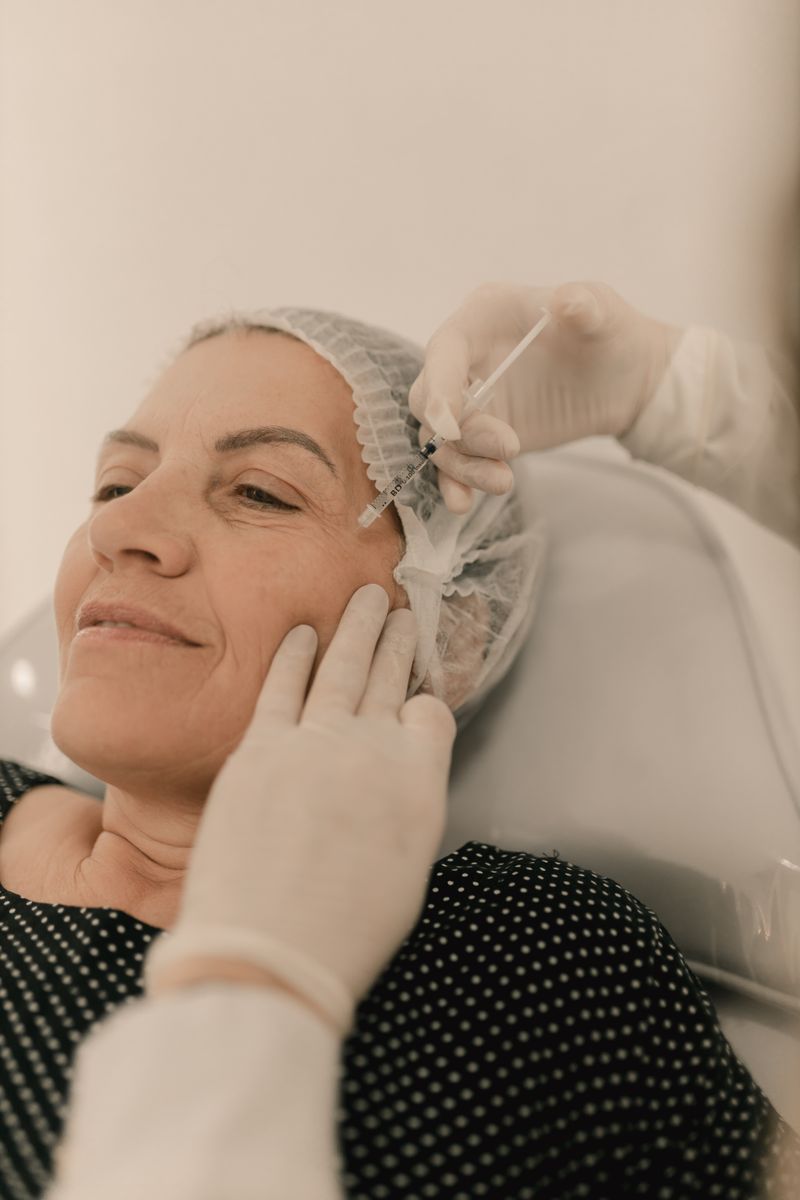
1. Day-by-Day Recovery
| Day | Standard microneedling | RF / deep work |
|---|---|---|
| Day 0 | Pink, warm, pinpoint dots; glow-through | Same, plus mild swelling possible |
| Day 1–2 | Redness fading; skin tightens, feels dry | Pink lingers; light puffiness on some zones |
| Day 3–5 | Normal tone; occasional flake or tight patches | Mostly clear; residual tightness |
| Day 5–7 | Clear; wear office-appropriate glow | Clear; overall minimal downtime still |
| Weeks 2–12 | Invisible collagen remodeling — the result phase | |
2. The First 24 Hours: Red Pixels
After treatment, expect exactly the marketing promised and the mirror now delivers: sunburn-pink skin dotted with tiny red points — the "strawberry" or pixel look — fading noticeably within hours. This is not a problem; it is the admission ticket stamped. The clinic will have applied soothing layers (hyaluronic acid, your barrier cream, and in PRP cases, the platelet-rich plasma itself). Plan zero friction for the first night: no heavy creams beyond what's prescribed, no touching, cool water and loose habits. If the glow-through feeling surprises you, that's collagen biochemistry, announcing itself early.
3. Days 1–3: Dryness and the Itch
Redness gives way to tightness, dryness and mild flaking as the micro-channels seal and the barrier rebuilds — the "sandpaper" days. This is the phase that invites every bad decision: scrub, exfoliate, peel, actives. All of it stays in the box until your clinician says the barrier has rebuilt (typically several days for standard work, longer for RF). Moisturize gently, patch-test nothing new, and give the itch the mercy of cool compresses rather than the aggression of your nails. Skin that feels boringly dry in days 1–3 is skin doing exactly what you paid for.
4. Days 3–7: Back to Life
Most patients are makeup-compatible by day 1–2 (mineral and clinician-approved) and fully "normal" by day 3–5 — the visible recovery is genuinely that short. Return to exercise with the sweat-and-heat allowance your office sets, usually after the first 24–48 hours. The swing you should not make during week one: aggressive skincare, chemical peels, extractions, waxing, or sun worship. Sunscreen is not optional in week one — freshly-sealed skin is at its most pigmentation-sensitive — and the SPF habit is the single biggest variable in whether your result stays clean.
5. The Collagen Clock: Weeks 2–12
Here's the part the mirror refuses to show: for weeks to months after the needles leave your face, collagen and elastin are being laid down in the dermis. Pores continue refining, fine lines soften, scar bases lift, tone evens — on a schedule that has nothing to do with day one or day seven. Patients who "didn't see results" after one session are usually patients who judged at three weeks. The evidence-based protocol is the series: 3–4 sessions, 4–6 weeks apart, evaluated at month three — which is why spacing matters as much as the needle depth itself, and why the cost guide budgets courses rather than sessions.
6. Aftercare Do's and Don'ts
| Do | Don't |
|---|---|
| Gentle cleanser + clinic-approved barrier products | Retinoids, acids, scrubs or new actives until cleared |
| SPF 30+ daily, starting day one | Sun exposure, tanning, or the "covered today" sunscreen skip |
| Mineral makeup once cleared (often day 1–2) | Waxing, extractions, chemical peels or microdermabrasion mid-week |
| Hydration, cool compresses, patience | Picking, popping, scratching the "sandpaper" days |
| Keep the 4–6 week appointment rhythm | Judging results before week six to month three |
7. Complications Watch
Microneedling's risks are modest and almost entirely hygiene-and-haste driven: the headline one is infection — which is why sterile single-use cartridges, opening in front of you, and a licensed chair are non-negotiable (the guide covers the black-market angle). Post-treatment calls are justified for blotchy, deepening or crusting redness after day 2; oozing or spreading bumps; patchy dark or pale pigment; and pain that doesn't recede. Standard pink fading over 1–3 days is a feature; anything that deepens instead of fading is a conversation. The wellness comparison set — peels, resurfacing lasers, microneedling — is mapped across the library and services.
8. When the Series and Your Calendar Agree
Because recovery is short, microneedling fits calendars the way other treatments don't: a session Thursday, normal by Monday, session two in five weeks. That's precisely why it's the backbone of sensible year-round skin maintenance — texture, tone and pores handled gently while the heavier lasers stay reserved for the deep stuff. Plan the series, and let year-round SPF be the glue. It's the least glamorous sentence in aesthetics and the one that holds the entire result together.
FAQ — Quick Answers
How long? 1–3 days visible; dryness to ~1 week; collagen results over months.
Redness lasts? 24–72 hours standard, a little longer for RF/deep; deepening redness is a call.
Wash/makeup? Gentle cleanse same day; mineral makeup often day 1–2; actives only when cleared.
Apply what? Clinic's hyaluronic/barrier layers, then SPF 30+ from day one. Vanilla aftercare wins.
Spacing? 4–6 weeks between sessions — the collagen riding schedule.
Risks? Mainly infection — hygiene is everything; also watch for deepening redness, crusting or patchy pigment.