Botox recovery belongs in the same category as a haircut: you can literally have it done on your lunch break and walk out looking... you. But "no downtime" does not mean "no rules." The first 24 hours after Botox, Dysport or Xeomin decide how far the product travels, whether you bruise, and whether you get the smooth, subtle result you paid for — or a droopy eyebrow that six weeks of waiting will politely resolve.
This guide gives you the aftercare plan we'd text a friend: what to do in the first 4 hours, the first day, the first week; how long downtime really lasts; when you can work out, fly, or lie on a massage table; and how to tell a normal bruise from something worth a phone call.
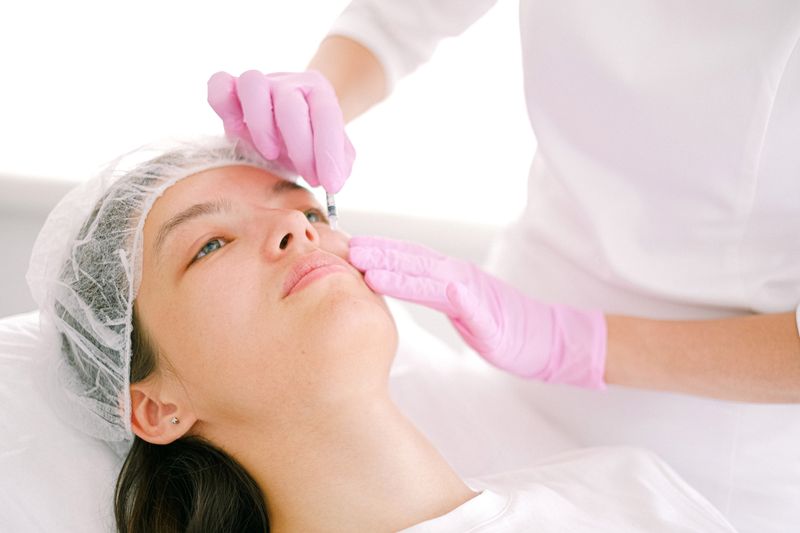
1. The First 4 Hours: Stay Upright and Hands Off
- Stay upright. No lying down, no bending over, no headstands — for at least 4 hours, ideally the whole first day. Gravity helps the product stay where your injector placed it.
- Don't touch. No pressing, rubbing or massaging the treated areas, and no aggressive facial cleansing. You don't want to push product into neighboring muscles.
- Keep activity gentle. No cardio, no spin class, no hot yoga. Raised heart rate and flushing encourage bleeding into tiny injection sites and can move the product.
- Makeup is fine once the pin-prick marks have stopped bleeding (usually minutes), but use a light, gentle hand. Some clinics recommend waiting an hour.
- Skip the ibuprofen. If you need a painkiller, Tylenol (acetaminophen) is the usual choice — aspirin, ibuprofen, Advil, Motrin and Aleve thin the blood and worsen bruising.
2. The First 24 Hours: What's Allowed and What's Not
| OK to do | Wait until later |
|---|---|
| Work, desk tasks, driving | Intense exercise (24–48 hrs) |
| Walking, light errands | Facial massages, facials, spa treatments (3–7 days) |
| Makeup in moderation | Exfoliators, peels, new skincare actives (3–7 days) |
| Alcohol in small amounts | Bending over, hot yoga, saunas, steam rooms (24 hrs) |
| Gentle cleansing, light moisturizer | Sleeping face-down (use your back) |
You'll likely see a few faint red dots that disappear within a few hours. Ice is fine if you want it, but don't push hard against the skin. By the end of day one, most people forget they had anything done — the "recovery" phase of Botox is genuinely that light.
3. Bruising and Other Short-Term Effects
Bruising is the real "downtime" for Botox. It happens in roughly 5–15% of sessions, most often around the delicate eye area. A small bruise looks worse on day 2–3 and fades over about a week. It's cosmetic, not dangerous.
- To prevent it next time: stop aspirin, ibuprofen, fish oil, vitamin E and heavy alcohol 3–5 days before treatment (clear it with your doctor first — never stop prescribed blood-thinners).
- To heal it faster: cold compresses in the first 24 hours in 10-minute bursts, then arnica cream or gel, and a little concealer for camouflage.
- Other short-term quirks: a mild headache for a day (very common), slight tenderness, a "heavy" brow feeling, and rarely a temporary asymmetric blink. None of these need treatment, but all are worth mentioning at your touch-up visit.
4. The Results Timeline, Day by Day
There is no overnight magic — anyone who tells you Botox results are instant is describing wishful thinking. Here's the real clock:
- Days 0–2: no visible change. Completely normal. Don't judge, don't re-book, don't panic.
- Days 3–7: softening begins; forehead lines and "11s" start to relax. Dysport occasionally shows one day earlier.
- Days 10–14: full effect. Decide whether you want a small touch-up (many practices do 2-week touch-ups as part of the price).
- Months 2–3: peak maintenance window for first-timers, whose muscles initially "fight back" harder.
- Months 4–6: movement returns; lines gradually reappear; time to re-book.
5. When Can You Exercise, Fly and Book Facials?
- Exercise: 24–48 hours for cardio and lifting. No need to wait longer; intense workouts after 2 days are fine.
- Flying: no issue at all. Cabin pressure has zero effect on botulinum toxin. Fly the same day if you want.
- Sleeping: sleep on your back the first night; afterwards normal sleeping positions are fine.
- Facials, massages and peels: wait a week. You don't want a facialist rubbing product into nearby muscles or chemical exfoliants irritating fresh injection sites.
- Filler: if you're getting other injectables like dermal fillers in the same visit, your provider will sequence them correctly — Botox and filler are a classic combination.
6. When Is Botox Recovery "Over"?
By any medical definition, recovery ends within 24 hours — that's when the product has bound and restrictions lift. Cosmetically, your recovery ends around day 14, when the result is fully visible and you know what you got. If you see a result you love, keep the exact unit counts and injection pattern for next time (practices keep records). If something looks off — asymmetry, heaviness, droop — contact your injector instead of waiting, since the 2-week mark is when most practices will happily correct it free.
7. When to Repeat Treatment
Botulinum toxin wears off as your body grows new nerve endings, usually over 3–6 months. First-timers trend toward the shorter end (~3 months); long-term patients often stretch toward 4–6 months as muscles weaken from repeated relaxation. A practical schedule:
- Book by time, not by mirror. Most patients re-treat 2–3 times per year, even if full movement hasn't returned — consistent treatment keeps lines permanently shallower.
- Don't wait until the wrinkle is fully back. Re-treating at first signs of movement gives smoother, more consistent results and uses fewer units.
- Expect a sooner touch-up after vacations, stress, or heavy workouts — things that rev muscle activity.
Budget reminder: plan for the cost of those visits. The full financial picture — per-unit rates, packages and insurance notes — is in our Botox cost guide, and the product-by-product deep dive is in the Botox vs Dysport vs Xeomin guide. Both live alongside every other skin treatment we cover in our wellness blog hub, and a complete menu of wellness and anti-aging procedures is right on the site.
8. Red Flags: When to Call Your Injector
- Chest tightness, trouble breathing or swallowing after treatment — this is a call-911-level event, however rare.
- A dropped eyebrow or eyelid that makes blinking feel different — usually temporary, but report it so it's documented.
- Unusual muscle weakness away from the face, vision changes, or progressive facial numbness.
- Excessive swelling or redness spreading beyond injection sites after 24–48 hours (possible infection or allergy).
Most aftercare outcomes are boring in the best way: a few red dots, a possible bruise, and a surprise two weeks later when you realize you haven't frowned in a while. If any of the rare flags above appear, skip Dr. Google and pick up the phone.
FAQ — Quick Answers
How long is Botox downtime? Typically zero to one day of visible recovery; the main product-safety rules end after 24 hours, and cosmetic recovery ends around day 14 when results fully appear.
Can I lay down after Botox? Wait at least 4 hours and stay as upright as possible for the first day to keep the product from migrating toward eyebrow- and eyelid-lifting muscles.
Can I exercise after Botox? Hold off for 24–48 hours. Intense workouts right after injection raise blood flow, worsen bruising and can shift the product.
When will I see results? Starting at day 3–7, full effect around day 10–14. No change in the first two days is normal.
When should I repeat? Every 3–6 months, or about 2–3 times a year. Re-treat at the first sign of movement for smoother, longer-lasting results.