You searched "facial fat transfer cost," "autologous fat grafting face new york," or "facial volume restoration nj" — which means you've watched the aging mirror hollow out your cheeks, temples or under-eyes and you're weighing a clever solution: take fat from somewhere you don't want it, put it somewhere you do.
Facial fat grafting is the permanent-feeling cousin of dermal fillers — your own living fat, harvested by liposuction, purified, and re-injected into the face. This guide covers how the procedure actually works, what "30–50% reabsorption" means for your expectations, fat vs filler in an honest head-to-head, the real anesthetic and surgical experience, risks, and what you'll genuinely pay in New York and New Jersey.
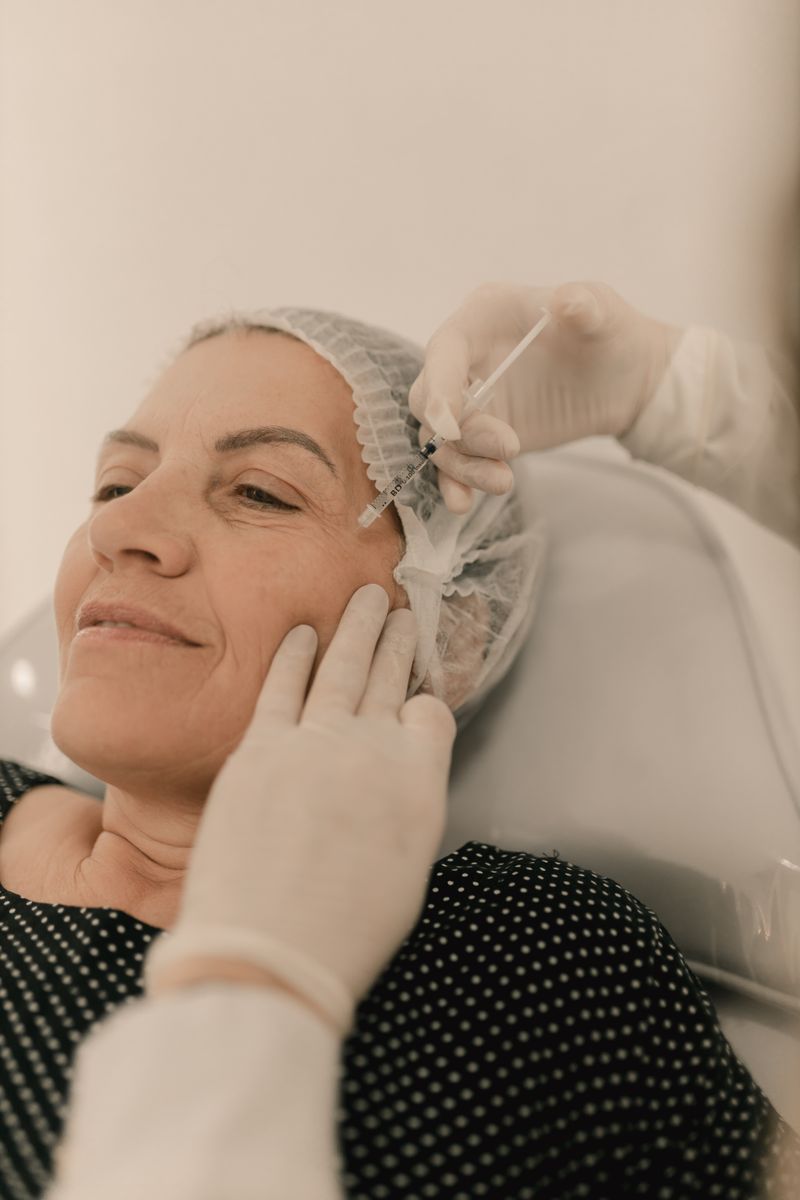
1. What Is Facial Fat Grafting?
Autologous fat transfer means exactly what it sounds like: your own ("auto") fat is moved ("transferred") to a place that needs it. A surgeon harvests fat with a very thin liposuction cannula from a donor area — usually the lower abdomen, inner thighs, hips or flanks — purifies it by gentle processing such as centrifugation, and re-injects it into the face in droplets measured in fractions of a milliliter.
Because the graft is living tissue from your own body, there is no foreign material, no allergy risk, and no "dissolving" the way HA filler eventually dissolves. What survives becomes a permanent part of your face — a concept that is simultaneously the appeal and the honest caveat of the whole procedure.
2. Fat Transfer vs Dermal Fillers: An Honest Comparison
| Factor | Fat grafting | Dermal fillers |
|---|---|---|
| Material | Your own fat | HA gel (Juvéderm, Restylane) |
| Setting | Operating room / clinic, sedation | In-office, no anesthesia needed |
| Downtime | 1–2 weeks of bruising/swelling | 0–2 days |
| Duration | Permanent (surviving fraction) | 6–24 months |
| Reversible? | No | Yes — hyaluronidase |
| Cost | $3,000–$7,000+ | $600–$1,800 per syringe |
| Best for | Broad volume loss, cheeks/temples, permanent result | Precise spots, lips, first-timers, reversible plans |
Neither wins. Fat grafting is the right tool for restoring lost structure over the long haul; filler is the right tool for precise, adjustable, commitment-light enhancement. Many of the best results use both.
3. Are You a Good Candidate?
- Age-related volume loss: hollowed cheeks, flattened temples, sunken under-eyes, deepening nasolabial folds, a deflated chin.
- Post-weight-loss or post-slender facial changes that surgical fat restoration can soften.
- People with enough donor fat — this is genuinely important; very lean patients may lack harvestable cells.
- Non-smokers with stable weight and realistic expectations about reabsorption.
Be cautious if: you're pregnant, have an active infection, have a bleeding disorder, intend major weight changes (they change the face), or you're expecting a "frozen, surgically full" look — fat grafting restores youth naturally, not cosmetically.
4. Your Consultation
A good fat-grafting consultation feels like planning architecture, not shopping. You'll review: which areas drive your volume loss; which donor site is best; how many mL the plan targets per area; the reabsorption math and why initial over-correction is deliberate; scar and anesthesia details; and a written total price. Ask to see the surgeon's own fat-grafting results (not their filler work), verify board certification in plastic surgery, and confirm the facility is accredited with emergency protocols. In NY and NJ this standard is non-negotiable and verifiable.
5. The Procedure, Step by Step
- Harvest. Under sedation or local-plus, a tiny cannula gently removes 30–120 mL of fat from the chosen donor area (tumescent fluid first, to reduce bleeding and bruising).
- Purify. The fat is filtered and spun in a centrifuge or settled in a closed system — a few minutes that decide graft quality and survival.
- Inject. Using needles or blunt cannulas, the surgeon lays down the fat in micro-droplets across multiple passes, slightly over-correcting for the 30–50% reabsorption that always follows.
- Finish. Donor site gets a small bandage, the face gets ice, and you recover for 30–60 minutes before going home.
Total surgical time is usually 1–3 hours (more if combined with eyelid or facelift surgery). Recovery itself is a routine we detail here — the fat grafting recovery guide.
6. How Many Sessions?
Plan for one main session — most patients are satisfied after a single, well-planned treatment. The two honest follow-ups: a 2-week "settling" check and a 3–6 month assessment to measure how much survived. If the surviving volume is modest or unequal, a small touch-up grafting session (or a light filler top-off) completes the result. Because fat survival is individual, a second session is realistically needed in some — maybe 20–40% — of cases, and good surgeons often reduce the touch-up fee.
7. Results and the Reabsorption Reality
Day-one looks fuller than your final result — that's the deliberate over-correction plus swelling. Over the following months, 30–50% of transferred fat is reabsorbed as the surviving cells integrate and new blood supply forms. What's left is your permanent new baseline: natural-feeling, natural-looking volume that does not need maintenance injections every year. The long-term caveat: fat ages like fat. As you continue losing facial volume into your 50s and 60s, the face continues to change — but the grafted volume stays where you put it, which is a feature patients consistently love.
8. Risks and Side Effects
- Common & expected: facial swelling and bruising for 1–2 weeks, donor-site bruising and tenderness, small entry scars, temporary numbness, asymmetry, and early over-fullness that settles.
- Possible: lumps or visible irregularity requiring massage or revision, fat reabsorption beyond the average (leading to a touch-up), donor-site contour irregularities, and rare infection.
- Rare but serious: fat embolism or vascular problems if fat enters the bloodstream — one of the clearest reasons this is a surgeon's procedure in an accredited facility, not a med-spa lunch special.
The complication profile is genuinely good in experienced hands, but the words "operating room," "sedation" and "harvest site" belong in your expectations. If a clinic sells fat grafting like filler — 25 minutes, zero downtime, toe-to-toe with Botox — walk out.
9. What Facial Fat Grafting Costs
Budget $3,000–$7,000+ nationally, climbing toward the high end in Manhattan where reputable NYC surgeons commonly quote $5,000–$9,000 for a comprehensive multi-area transfer. Fees bundle the surgical facility, anesthesia, harvest and grafting. The full national and NY/NJ breakdown — and why "half off your fat transfer" should raise your eyebrows — is our facial fat grafting cost guide. Compare it against the injectable-only route in our filler cost guide, and browse the whole menu of volume-restoration and skin procedures — plus every guide in our blog — before you decide.
FAQ — Quick Answers
What is facial fat grafting? Harvest your own fat by liposuction, purify it, and re-inject it into hollowed facial areas for permanent-feeling natural volume.
How long does it last? The surviving fraction is permanent; expect 30–50% reabsorption in the first months, then a stable, long-lasting result.
Is it better than filler? Different tools: fat for broad, permanent restoration; filler for precise, reversible, appointment-light work. Best outcomes often combine them.
Where's the fat from? Abdomen, thighs, hips or flanks — chosen for stable, good-quality fat cells.
What's the risk? Bruising, swelling, asymmetry and reabsorption are common; rare complications like vessel problems are the reason this is board-certified-surgeon territory.