Everyone talks about what facial fat transfer does — nobody talks enough about the first two weeks. Fat grafting is outpatient surgery; you go home the same day with a face that looks like it went twelve rounds and a donor site that looks like a tiny liposuction vacation. The good news: the visible "messed up" window is short, and the permanent-payoff lens starts at about two weeks. This guide walks you through every stage of recovery so you know what's normal, what's progress, and what genuinely deserves a phone call.
Plan your calendar now: 3–7 days before you want to be seen in public, 1–2 weeks for the bruising to respectably fade, and 3–6 months before you judge the true result. Everything after that is the free part — your permanent new volume.
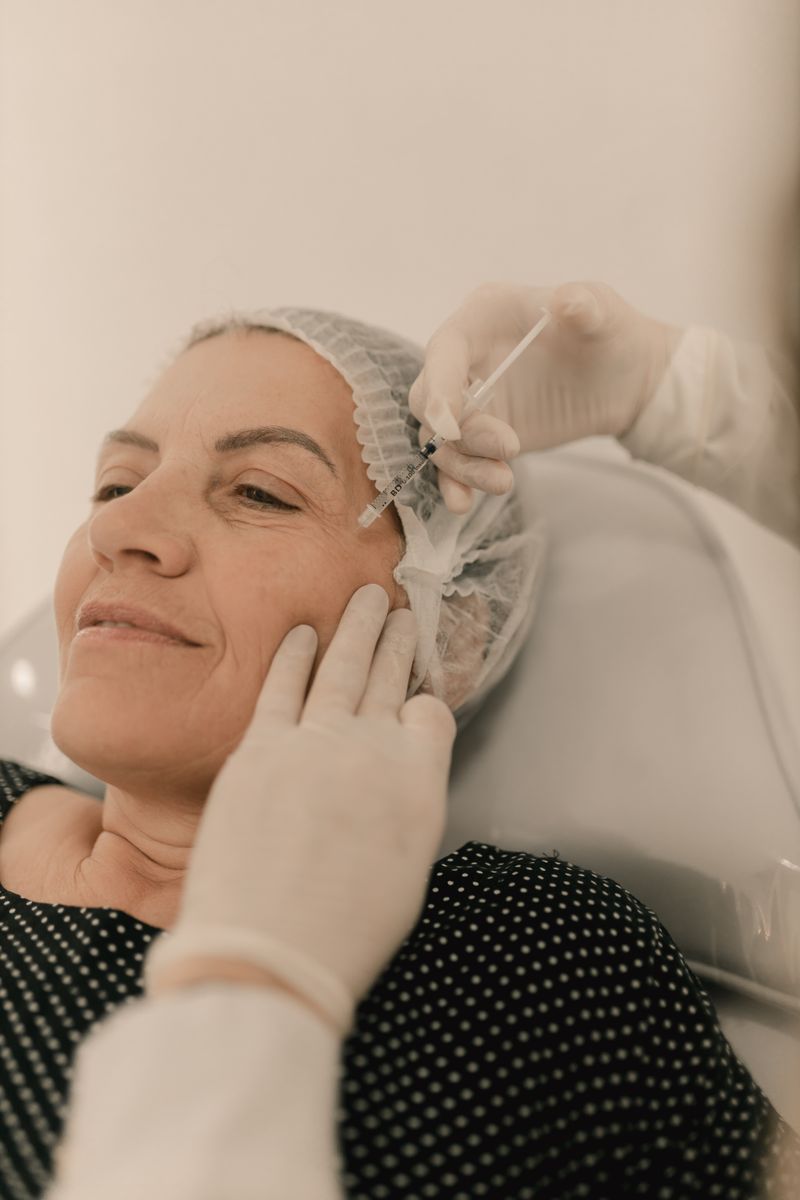
1. The Recovery Timeline at a Glance
| Phase | What you'll see and feel | Doing what |
|---|---|---|
| Day 0–3 | Peak swelling, purple bruising, donor-site soreness | Rest, ice, head elevated, pain meds as prescribed |
| Day 4–7 | Swelling retreats, bruising yellows, face looks "full" | Light activity, desk work, gentle walking |
| Week 2 | Mostly social-ready; small residual swelling around eyes | Low-impact exercise, normal routine |
| Weeks 3–4 | Face settles toward early normal; donor site nearly healed | Full exercise with clearance |
| Months 2–6 | Reabsorption does its work; final result emerges | Your new permanent baseline arrives |
The biggest psychological hazard of fat grafting recovery is the over-correction phase: surgeons deliberately add 20–30% extra volume knowing much will reabsorb. So week two looks fuller than the final result — and that is a feature, not a bug. Do not compare week-two photos to filler "after" photos; you're on a different clock.
2. Days 0–3: The Peak
- Sleep upright. Two pillows or a wedge for the first 3–5 nights; lying flat picks up facial swelling dramatically.
- Ice — but not on the graft. Cold compresses reduce swelling, but keep them light over the injected areas and only as your surgeon directs (heavy cold can theoretically affect tiny vessels feeding new grafts). The donor site loves ice; the face mostly tolerates gentle cooling.
- Zero hands-on. No pressing, rubbing or facial-massaging anything — you're protecting newly placed grafts while they establish blood supply.
- Take your meds. Prescription or OTC pain control as ordered; skip aspirin and ibuprofen unless explicitly cleared.
- Donor-site duty. Compression garment on, dressings dry, and expect the abdomen or thigh to be the sorest part of you for days 1–2.
3. Days 4–7: Boring Is Beautiful
By day 4–5 the swelling is on the way down, bruising is transitioning to that unfortunate greenish-yellow, and the face reads "full," "round," or "different" — all normal. Your job this week: hydrate, eat protein (fat survival loves good nutrition), keep the head up, and walk. Desk work is fine; the gym is not. Most patients who "returned to work" vaguely remember hiding in a meeting the way everyone does after a dental procedure — highly manageable, entirely human.
4. Weeks 2–3: Back to Being You
The 2-week milestone is genuinely pleasant: bruising is mostly history, swelling is residual at worst around the under-eyes, and patches of "wait, I look fuller" begin reading as "restored." You can return to low-impact exercise (walking, yoga, light cycling) and put real skincare back in rotation with your surgeon's blessing. Donor-site soreness and any tiny harvest scars are marching toward invisible. This is also your first official post-op check, where your surgeon photographs the face and calibrates expectations for the months ahead.
5. Months 2–6: The Final Result Emerges
During the first few months, your body decides what survives: roughly 30–50% of transferred fat is reabsorbed, and the rest integrates with a fresh blood supply and becomes permanent. Most of this process is visible by the 3–6 month mark, which is why surgeons judge results at 6 months — the swelling long gone, reabsorption complete, and the true new baseline set. If an area reabsorbed more than its neighbor, this is precisely the moment for the future-proof conversation: a small touch-up graft session or a filler top-off to balance things out.
6. Red Flags: Call Your Surgeon
- Unilateral, rapidly spreading redness, warmth or swelling (possible infection).
- Skin blanching white, blue or mottled in a treated area — especially the nose, lip or cheek.
- Pain out of proportion to day 2–3, or severe headache.
- Fever, donor-site redness spreading, or any bleeding that won't stop.
- Vision changes — rare but an emergency, period.
None of these are common. Their existence is exactly why your surgeon's on-call number belongs in your phone the moment you leave the facility.
7. When to Repeat Treatment
Here's the payoff sentence: because the surviving fat is permanent, most patients never need a full repeat. The realistic follow-ups are (a) one discounted touch-up in the first 6–12 months for whatever reabsorbed unevenly, and (b) occasionally a light filler top-off for a precise area that didn't take as well. Full maintenance is not part of the program the way it is with injectables. Budget once, recover once, and let the mirror do the rest.
The full picture — what the finished volume should look like and the six-month judging criteria — lives in our facial fat transfer guide, with the all-in price reality in the fat grafting cost guide. Compare it against the injectable-only route and browse the rest of the menu at wellness services and the blog library.
FAQ — Quick Answers
How long is fat transfer recovery? 3–7 days off work, 1–2 weeks of visible bruising, full exercise at 3–4 weeks, final result at 3–6 months.
When does swelling go down? Peaks at day 1–3, mostly gone by week 2; the "full" look persists longer than you'll love while over-correction absorbs.
How long does bruising last? Peaks day 2–3 and fades over 7–14 days on both the face and donor site.
When do I see the result? Judge at 6 months, not week one — swelling and over-correction lie, the 6-month baseline doesn't.
Do I need a repeat? Most patients don't; 20–40% have one discounted touch-up or a small filler finish within the first year.