Laser resurfacing has two completely different recoveries hiding under one name. Fractional and non-ablative skin resurfacing is a "lunch to long-weekend" affair — some pink, some flaking, a bit of glow. Full ablative resurfacing — CO2 and full-face erbium — is a production: up to two weeks of crust, peel and "hello, I've been resurfaced" redness, followed by weeks of blush. Decide which calendar you actually have before you pick which laser.
This guide is the honest recovery map — the timeline day by day, the peeling rules, the redness math, the aftercare that prevents pigmentation disasters, and when you can get back on the calendar (work, makeup, exercise, sunshine). Because the single biggest difference between a great laser result and a botched one is how you treat your face in the fourteen days after the beam.
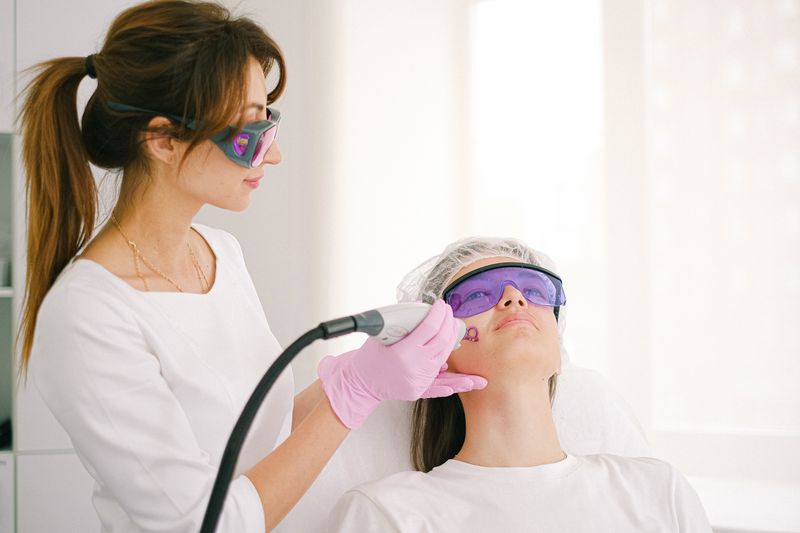
1. The Two Recoveries, Side by Side
| Milestone | Fractional / non-ablative | Ablative (CO2 / full erbium) |
|---|---|---|
| Same-day | Pink, warm, back to work often | Bandaged, swollen, home nap plan |
| Day 2–3 | Sunburn-pink, mild flaking | Peak swelling, crust starting |
| Day 5–7 | Mostly clear, mineral makeup OK | Mid-peel; brown skin shedding |
| Day 10–14 | Fully clear, subtle glow | Mostly peeled; pink remains |
| Weeks 3–12 | None | Blush fades; result emerges |
2. Fractional Recovery: Days 1–7
Fractional resurfacing treats micro-columns and leaves bridges of intact skin, which is exactly why recovery is short. Your schedule: day one pink and warm (sometimes sandpaper-dry by evening); days 2–3 the "coffee grounds" microflaking (don't scrub it — let it shed); day 4–5 skin returns to normal with a first sign of glow; by day 7 you're done, and the deeper dermal work continues quietly for months. The only real hazard of fractional recovery is impatience — picking, exfoliating, or sun exposure while the columns are young.
3. Ablative Recovery: The 14-Day Production
CO2 and full-face erbium stage the dramatic version:
- Day 0–1: treated skin is often covered with an occlusive dressing overnight; underneath it's swollen, weepy and clown-shocking. Anesthesia wears, and a sunburn-feel arrives with it.
- Day 2–3: swelling peaks (your eyes may nearly close for a spell — planned for, alarming to guests), skin darkens and tightens.
- Day 4–7: the great peel — brown, leathery skin cracks and sheds in sheets. It is dramatic, itchy, and strictly no-picking: this is the make-or-break week for scarring.
- Day 8–14: new pink skin emerges, tight and glowing. Makeup becomes possible around here with your clinician's blessing.
That's the mechanical recovery. The cosmetic recovery — the blush — outlasts it by months, which Cincinnati-style debates about "should I resurface in September or pre-summer" are built on.
4. Redness: The Part Nobody Warns You About
Redness is the quiet survivor of the recovery story. For fractional work it's a few days to a week. For ablative work it's vivid for 1–2 weeks, then a persistent pink for 3 weeks to 3 months, sometimes longer on fair or sensitive skin, and noticeably longer still if you cheat on the sunscreen. Weeks 2–6 of that blush are when most patients panic that "it never ends" — it does, slowly, invisibly day by day. Compare yourself at week 6 to week 2 photos, not to week-12 strangers. Trust the calendar and the SPF 50.
5. Aftercare Do's and Don'ts
| Do | Don't |
|---|---|
| Follow the clinic's cleanser + occlusive ointment protocol | Retinoids, acids, vitamin C or scrubs until cleared |
| SPF 50 daily from the moment skin emerges — indoors too | Sun exposure, tanning beds, outdoor weddings during blush |
| Mineral makeup after crusting closes (clinic-cleared) | Liquid makeup, new actives, or a facial within 2 weeks |
| Hydrate, gentle cleanses, cool compresses | Picking, rubbing, saunas, steam, hot showers on raw skin |
| Report worsening redness, crust or fever | Ignoring signs of infection or cold-sore flare |
6. Complications Watch
Most recoveries are boring — please let yours be boring. The list that deserves a call, not a Google: blisters or crusting that deepens after day 5, spreading redness with warmth (infection), a cold-sore flare (your antivirals should have prevented it), unexpected darkening (PIE/PIH forming — early treatment matters), and persistent white patches in lighter skin (hypopigmentation, the long-haul complication of too-deep CO2). None are common; all are more fixable the earlier you call.
7. Results and When to Repeat
Real results lag the calendar: collagen remodeling means the best "after" arrives 3–6 months post-treatment, not in the day-14 mirror. Fractional series need their 3–5 sessions spaced 3–6 weeks apart, then maintenance every 6–12 months (the cost guide does that annual math). Ablative patients often do one and done for years — a repeat at 12+ months only if wrinkles or scars return. Either way, sunscreen isn't optional: it is the single biggest factor in how long your result lasts, which is why every serious plan pairs the laser with a sunscreen habit.
The clinical background — which laser, which skin type, what it treats — is in our laser skin resurfacing guide, and the comparison set (peels, microneedling, fractional) lives across the wellness library and wellness services.
FAQ — Quick Answers
How long is recovery? 1–3 days for fractional; 7–14 days (plus weeks of blush) for ablative CO2 and full erbium.
How long does peeling last after CO2? The big shed runs day 4–10; light flaking can linger into week 2. Never pick.
How long does redness last? Days for fractional; 1–2 weeks vivid plus 1–3 months of blush for ablative. SPF is the cure.
What do I put on it? Clinic-recommended cleanser and thick healing ointment, then strict SPF. No acids, retinoids or scrubs.
Makeup? Mineral makeup once crusts close (day 5–10 fractional, day 10–14 ablative), with clinic clearance.
When do I repeat? Fractional every 6–12 months; ablative rarely, at 12+ months, when results fade.