Recovery from lip augmentation is really two different stories. Lip filler is a bruise-and-swelling event that looks dramatic for a few days and vanishes within two weeks. Lip lift surgery is a surgical recovery involving sutures, scabbed incisions under the nose and a scar that matures over months. This guide maps both timelines day by day, explains what you can touch, wear, kiss, eat and schedule, and flags the urgent signs that deserve an immediate call to your provider.
Before the healing phase, understand the procedure itself in our lip augmentation guide, budget for it in the 2026 cost guide, and browse related perioral topics in our blog library.
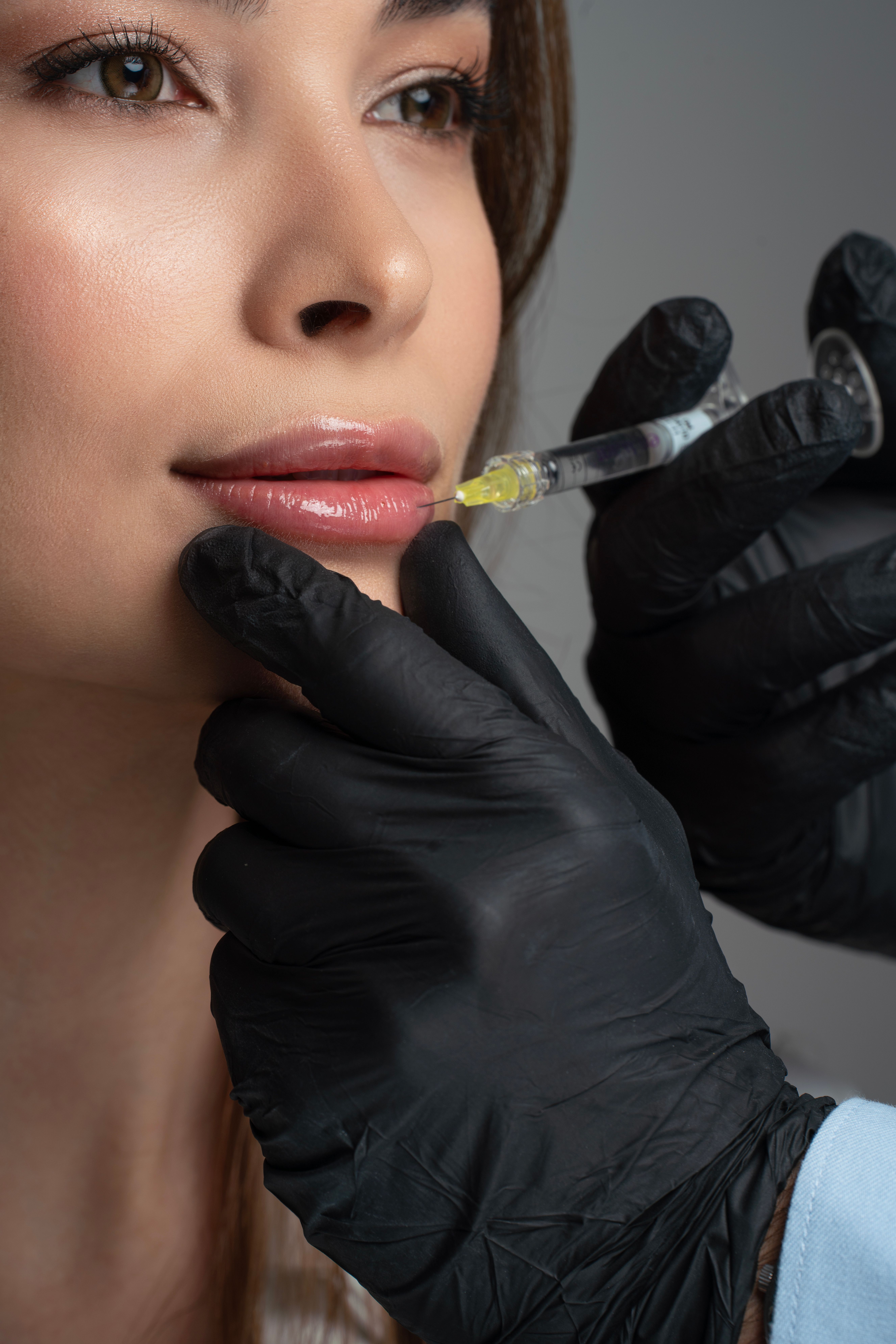
1. Filler Recovery: The First 14 Days
Prep starts before the needle: skip alcohol, arnica-friendly supplements and NSAIDs for 2–5 days beforehand (confirm with your injector), and arrive with clean, makeup-free lips. Cold-sore-prone patients should ask about prophylactic antivirals before the visit.
- Day 0: lips feel numb, firm and visibly larger; mild tenderness at entry points. Ice via covered packs 5–10 minutes on/off.
- Day 1–3: peak swelling — a common "overdone" alarm that makes many patients panic. It is mostly water, not filler. Cold compresses, sleeping elevated, gentle hydration.
- Day 4–5: noticeable settling; lips start looking more natural; bruising at border points peaks around day 3 then fades.
- Day 7–14: swelling is gone; bruising resolves; the result you planned is visible. Schedule the optional touch-up at 2–4 weeks once swelling has fully settled.
Ares of the result can shift slightly during the first week as product redistributes; judge finality at 2–4 weeks, not day 3.
2. Filler Do's and Don'ts
Don't: sleep face-down, squeeze or massage lumps yourself, apply heavy lipstick within 24h, kiss aggressively within 48h, soak in hot tubs during the swelling window, or take blood thinners without clearance.
Two specific patients we meet frequently in the clinic: the one who "just poked" a lump and flared the tissue, and the one who exercised the day after, then confused fresh bruising with a complication. Gentleness is the entire aftercare plan — let the product settle on its own.
3. Lumps, Bruises and the Touch-Up Question
Lumps: first-week lumps are almost always swelling or product redistribution and settle on their own. A firm, visible, persistent knot past 2–3 weeks warrants a call; HA filler dissolves with hyaluronidase within minutes if a genuine nodule forms. Never massage a suspected lump blindly — you can displace product into unwanted areas.
Bruising: entry-point bruising fades in 7–14 days; arnica and camouflaging makeup handle the social window. If lips bruise deeply or disproportionately on one side, let your injector see photos — it can unmask deeper trauma or a slightly off cannula pass.
Touch-up discipline: wait the full 2–4 weeks. Topping up on day 10 when swelling has not finished settling is how patients get asymmetric "overfilled" work they then blame on the product.
4. Lip Lift Recovery: Week by Week
| Phase | Typical timing | What you can expect | Key rules |
|---|---|---|---|
| Days 0–2 | Surgery day + 48h | Ice, minimal talking, soft foods; stitches intact under the upper lip | No puckering straws, no aggressive facial expressions, sleep elevated |
| Days 3–4 | Peak tightness | Swelling peaks; lips feel stiff; drinking is easiest via a tilted cup | Keep the suture line clean and dry per surgeon's instructions |
| Day 5–7 | Suture removal | Stitches out; incision cleans and begins flattening | Follow scar-cream and protection protocol; no sun |
| Day 10–14 | Social hide-out window over | Most bruising and swelling gone; light makeup over the scar | Ease back into speaking and smiling; skip heavy exercise |
| Week 3–4 | Softening | Scar pale, pliable; shape of the lifted lip is now readable | Sun protection religiously; silicone scar products if directed |
| Month 2–12 | Final maturation | Scar fades toward skin tone; symmetry and tooth show stabilize | Final cosmetic result judged at 6–12 months, not week 3 |
5. Everyday Logistics After a Lip Lift
- Eating: soft, cool, easy-to-bite foods for the first week — soups via spoon (not straw), yogurt, scrambled eggs, mashed sides. Rinse gently so residue does not sit on the incision.
- Makeup: clean tools only, over a healed or protected scar line; the subnasal scar benefits from silicone gel or cream once cleared.
- Speech: the tightness makes a "short upper lip" smile feel stiff for 2–3 weeks; it relaxes as swelling settles.
- Exercise: hold cardio for 10–14 days and heavy lifting for 3–4 weeks to avoid raising blood pressure near fresh incisions.
- Forward, upward head positioning for sleep (2 pillows) through week 1–2.
- Combining with filler: if you planned filler alongside the lift, wait until after the swelling subsides for placement decisions — add volume later, not at the same pass.
6. When to Call the Doctor Immediately
Most early issues are minor, but four presentations are urgent and worth a same-day call or visit:
- Vascular compromise after filler: severe or one-sided pain, blanched or dusky/purple lip color, mottling, or a fading cap of tissue — time-critical and treatable with hyaluronidase.
- Infection: spreading redness, increasing swelling beyond day 4, heat, fever, or yellow-green discharge from entry points or the lip lift suture line.
- Allergic reaction: hives, lip swelling far out of proportion, breathing difficulty.
- Wound breakdown: gaping edges or unexpected bleeding from a lip lift incision.
If you are ever unsure, reach a vetted provider near you for review — the after-hours number is the actual differentiator between practices.
7. Three-Week Summary Checklist
- Book your touch-up window (2–4 weeks after filler) before leaving the clinic.
- Keep after-hours contact and, for filler, the hyaluronidase plan in your phone.
- Restock sunscreen, gentle lip balm and clean applicators before day 1.
- Alert your surgeon/office to any bruise, lump or scar concern via photos — early review costs nothing.
- Do not judge the result (filler or lift) before the 3–4 week mark.
FAQ
How long does lip filler swelling last? Most swelling peaks at 24 to 72 hours and visibly improves by day 4 to 5, with general bruising settling by 7 to 14 days. Lips can look slightly larger than final for the first week because swelling temporarily inflates the result.
Do lip fillers bruise? Yes — mild bruising happens in many first-time recipients even with gentle technique, usually at needle entry points along the lip border. It typically fades within 7 to 14 days; arnica and avoiding blood thinners before the visit reduce both bruising and swelling.
Are lumps after lip filler normal? Lumps during the first week are often just swelling or product redistribution that settles as the lips soften. If a firm, visible knot persists past two to three weeks, contact your injector — hyaluronic acid filler can be dissolved quickly with hyaluronidase if needed.
Can I wear makeup or kiss after lip injections? Avoid lipstick and gloss for the first 24 hours, and skip kissing and aggressive contact for 48 hours while entry points seal. When you resume makeup, use a fresh applicator to avoid introducing bacteria into still-tender injection sites.
How long is lip lift recovery? Sutures come out at day 5 to 7, swelling and stiffness settle by week 2, and most patients are socially presentable by day 10 to 14. The scar matures over 6 to 12 months, gradually fading and softening under the nose.
When should I call my doctor after lip treatment? Call immediately for severe or one-sided pain, blanched or dusky lip color, spreading redness and fever, or any sign of an allergic reaction. Also call for bleeding or a wound gaping at a lip lift incision — vascular and infection issues are urgent, not aesthetic.