Liquid rhinoplasty's biggest selling point is honest: you go in for 20 minutes of injections and leave with an immediate contour change and essentially no downtime. But "no downtime" doesn't mean no aftercare — the first few days determine how your skin and filler settle.
Here's exactly what to expect hour by hour and day by day, what to do (and not do), and which symptoms merit an immediate call to your injector.
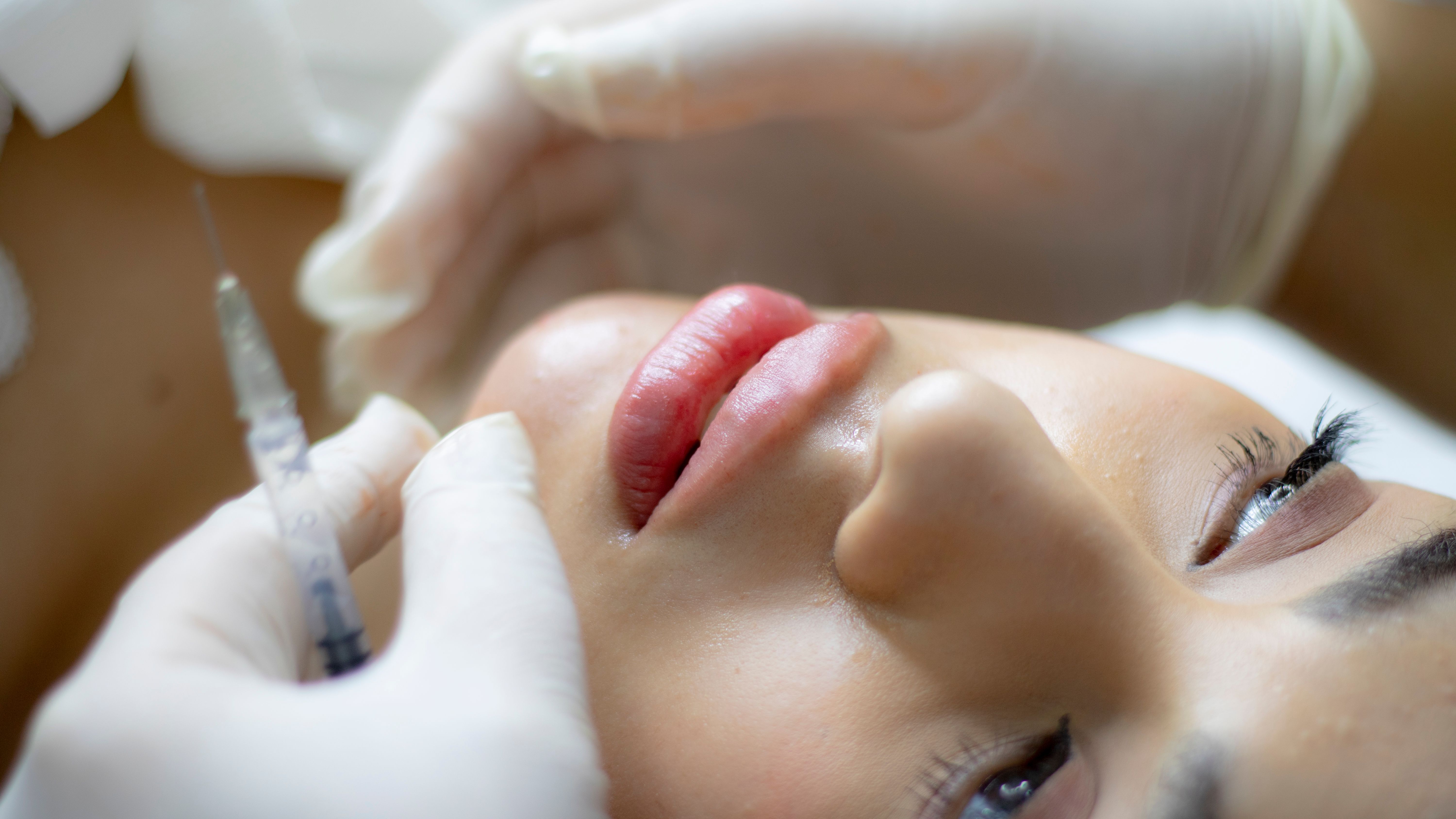
1. The Day-by-Day Timeline
| Timeframe | What to expect |
|---|---|
| Immediately after | Contour change visible; mild redness, tenderness, sometimes a little swelling at injection points |
| Hours 0–24 | Swelling may peak; bruising can appear; avoid touching or pressing the nose |
| Day 2–3 | Most swelling and redness settle; bruising (if any) begins fading |
| Day 5–7 | Nose looks largely settled; minor touchpoints gone |
| Week 1–2 | Filler fully integrates; final contour read — ideal time for a provider review |
| Month 1+ | Stable result; you can largely forget it until top-up (~6-18 months) |
2. Aftercare Checklist
- Ice (gently): Cool packs around the nose reduce swelling — don't press hard on the filler.
- Keep your hands off: No rubbing, squeezing or massaging the injected area unless your provider instructed a gentle contour touch.
- No makeup on the area the first day or so, per provider guidance.
- Elevate while sleeping the first night or two to limit swelling.
- Avoid intense heat (saunas, steam, hot yoga) for a few days.
- Skip hard workouts for 24–48 hours — blood pressure spikes drive swelling and bruising.
- Alcohol & NSAIDs: limit early on; both thin blood and increase bruising.
- Sun protection: as with anything cosmetic on the face, protect the nose routinely.
3. The Warning Signs You Must Know
A responsible aftercare guide tells you what normal looks like — and what's not. Call your provider immediately if you see:
- Blanching: an area turns pale/white and stays white.
- Mottling or duskiness: purple/blue/red blotches on the skin near the injection.
- Severe, sudden or worsening pain — not typical filler tenderness.
- Spreading discoloration or vision changes (rare but urgent).
- Skin breakdown: blistering, ulceration or dark crusting.
Why it matters: these can signal vascular occlusion — filler blocking a vessel. HA filler's saving grace is that it can be dissolved quickly with hyaluronidase, which is why prompt reporting is critical. Most events, caught early, resolve without permanent tissue damage.
Mild bruising, swelling and tenderness in the first days are the expected norm and fade on their own.
4. When You See the Real Result
- Days to a week: swelling clears, revealing most of the contour.
- 1–2 weeks: product integrates; true final shape emerges.
- 6–18 months: the result holds, then gradually fades as your body absorbs the HA — plan a maintenance visit before you "lose" the look entirely.
5. Work, Exercise & Daily Life
- Work: attend same-day; most people never take time off.
- Public events: schedule knowing mild swelling/bruising can last a few days.
- Gym: return to light workouts quickly; heavy lifting and intense cardio wait 24–48 hours.
- Flying: generally fine immediately.
Deciding whether filler's temporary arc fits your goals? Re-read the liquid rhinoplasty guide; for the per-session economics, see NY/NJ pricing.
FAQ
Is there any downtime? Practically none — most people resume everything the same day or next.
When is the final shape visible? Within a week for the bulk of it; fully integrated by 1–2 weeks.
Can I exercise? Light activity yes; intense workouts best after 24–48 hours.
What should I watch for? Blanching, mottling, severe pain or spreading discoloration — call your provider right away.
How long does it last? ~6–18 months, then top-up needed.