"Recovery" for nasal reconstruction isn't one number — it's a sequence. Small repairs heal in a couple of weeks; large staged reconstructions (with a paramedian forehead flap, for example) unfold over months and multiple operations, each with its own mini-recovery.
That structure can feel intimidating, but patients who understand the roadmap adjust better. Here's how the stages work, what each period feels like, and how to make the in-between times as easy as possible.
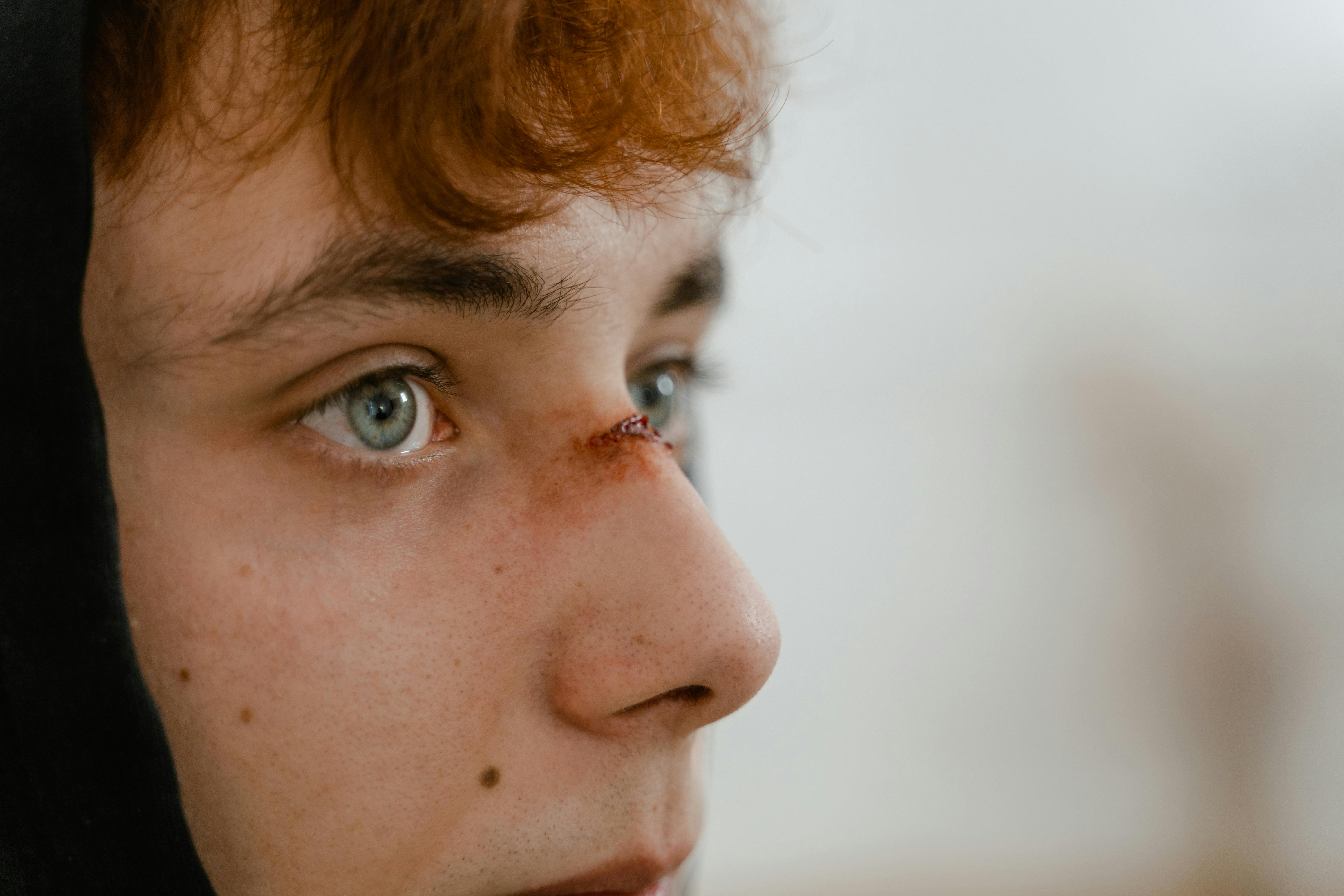
1. Recovery as a Sequence of Stages
| Stage | Typical timing | What happens / feels like |
|---|---|---|
| Stage 1 — Flap creation / repair | Main surgery | Defect repaired with flap or graft; dressings, swelling, some bruising |
| Recovery #1 | 1–2 weeks of restrictions | Light duty; head elevation; wound care; no heavy lifting |
| Intermediate healing | Weeks between stages | Forehead flap pedicle present; intermediate appearance; daily life resumes with visible healing |
| Stage 2 — Pedicle division / set-in | ~3+ weeks after Stage 1 | Flap base separated from forehead and inset; forehead and nose start looking settled |
| Recovery #2 | Days to ~1 week | Similar lighter restrictions; sutures out |
| Stage 3 — Contouring / revision | Months later (optional) | Thinning, scar refinement, small contour tweaks for the final polish |
| Long-term settling | Up to 12+ months | Scar maturation and residual swelling resolve; final appearance confirmed |
2. What Each Recovery Window Feels Like
- First days after each surgery: swelling, mild to moderate discomfort (managed), head elevation, cold packs around the surgical site, careful positioning.
- First week: dressings and some sutures; light duties; no bending/strain.
- Weeks 2+: most patients return to desk work; heavy exercise waits for clearance.
- Forehead-donor area: heals like a large forehead scar; manageable with regular wound care and sun protection.
3. Practical Planning
- Time off: plan 3–7 days per major stage, more for physical roles.
- Help at home: most valuable in the first week after each stage.
- Travel: interstage travel is usually fine; flying immediately after surgery typically isn't.
- Wound care supplies: prepare per your surgeon and clinic.
- Smoking: absolutely prohibited — it directly threatens flap survival.
- Sun protection: essential on the nose and forehead for a year or more.
4. The Mental Side of a Staged Journey
Between stages, especially with a forehead flap, you'll look "in progress." This is the hardest part for many patients — and the most normal:
- Remind yourself the intermediate appearance is temporary scaffolding, not the result.
- Keep monthly photos; the trajectory is dramatic over time.
- Attend every follow-up and flap check — they're how the surgeon protects the result.
- Talk to your surgeon about realistic staging timelines so no step feels like a surprise.
5. When to Call the Office
Contact the team promptly for: heavy or persistent bleeding, fever, spreading redness, worsening pain, or any flap discoloration — pale, blue, or darkened tissue is a blood-flow red flag. Ordinary swelling, bruising, tightness and temporary numbness are expected.
6. The Long View
Results keep improving for up to a year or more as swelling resolves and scars mature. Most patients, looking back, describe the staged journey as entirely worth it — the alternative (an open, unreconstructed defect) would have been far worse on every dimension.
For the decision framework and techniques, read the nasal reconstruction guide; for pricing and insurance planning, see NY/NJ cost guide.
FAQ
How long is overall recovery? Weeks of active recovery across 2–3 staged surgeries; 12+ months for full cosmetic settling.
What's recovery like between stages? You heal with the intermediate flap appearance in place; most life returns except heavy work.
When can I return to work? Usually days to ~2 weeks per stage for desk roles.
When does it look final? Dramatically improved after division and contouring; mature fully around a year+.
Any warning signs? Bleeding, fever, spreading redness, severe pain, or flap discoloration — call right away.