If you've been through one rhinoplasty, you already know the drill — splint, bruising, swelling, waiting. The crucial difference with revision surgery is that all of that is amplified: more scar tissue, more swelling, a longer refinement window, and sometimes an extra healing site if rib cartilage was harvested.
The good news is that the arc is the same, just slower. Here's the honest week-by-week picture so you can plan recovery realistically — and resist judging a result too early.
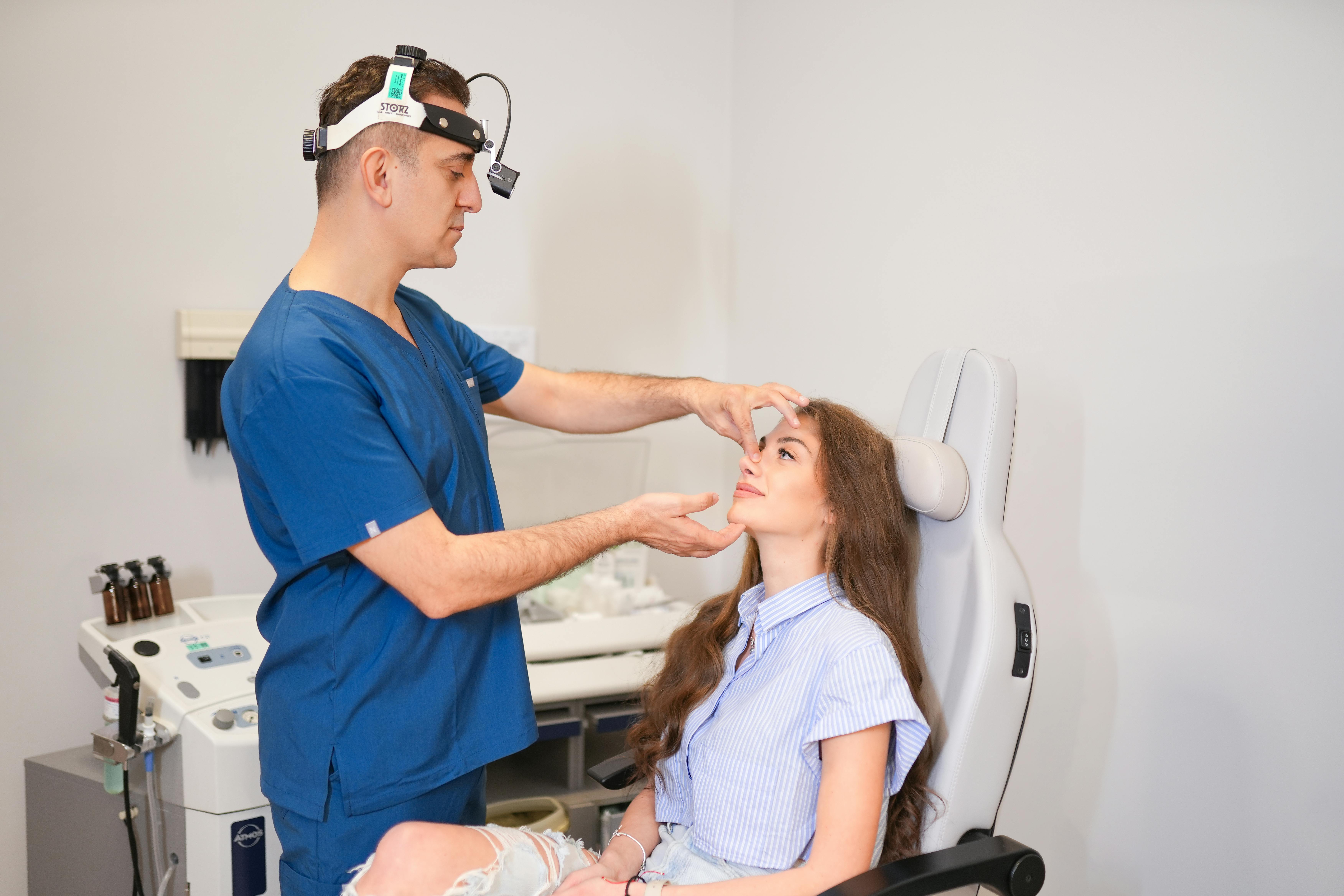
1. Week-by-Week Timeline
| Timeframe | What to expect | Activity / care |
|---|---|---|
| Day 0–1 | Swelling and bruising; splint in place; possible donor-site discomfort if rib used | Rest, head elevated, cold packs, medications; no nose-blowing |
| Day 2–4 | Bruising peaks; congestion significant | Continued elevation; light walking |
| Day 7–10 | Splint/cast removed; nose looks swollen and "new" | Many return to desk work; public-facing roles may need more time |
| Week 2–3 | Major bruising gone; swelling steadily decreasing | Low-impact exercise if cleared; keep nose protected |
| Week 4–6 | Bridge clarifying; tip still full from swelling | Strenuous exercise ~6 weeks; glasses may resume |
| Month 1–3 | Roughly 70–80% of result apparent | Sun protection; normal routine |
| Month 3–6 | Definition continues to emerge through swelling | Full activity as cleared |
| Month 6–12 (often longer) | Residual swelling resolves; final shape confirmed | Final results best judged at or beyond 12 months |
2. Why Revision Takes Longer
Three factors stretch the recovery curve past a primary nose job:
- Scar tissue: Previous surgical scars swell and heal more slowly; the nose mounts a stronger inflammatory response the second time.
- Grafts: New cartilage (ear, rib) needs its own integration, and the surrounding envelope takes time to settle around it.
- Soft tissue envelope: Skin has already been through trauma once — it holds fluid longer.
Expect the "is it working?" doubts between months 1 and 3 to be normal — and refrain from final judgment until your surgeon clears you at a year.
3. Splint, Graft & Donor-Site Care
- Splint: Keep dry, never self-remove; usually off by day 7–10.
- Ear graft site: Healing behind the ear is quick; keep clean and follow wound care.
- Rib graft site: A small chest scar with its own dressings and a bit of stiffness — both temporary. Ask about lifting restrictions for the donor area.
- Congestion: Managed with saline sprays and gentle technique — no blowing until cleared.
- Sun protection: Essential across the nose for months.
4. Work, Exercise & Life
- Desk work: 7–10 days typical; remote sooner.
- Public-facing roles: 2–3 weeks for bruising to fade.
- Light cardio: ~2–3 weeks.
- Heavy lifting: 4–6 weeks — additional caution if rib was harvested.
- Contact sports: 6+ weeks with clearance.
- Glasses: Avoid bridge pressure for 4–6 weeks.
5. The Emotional Side of a Second Recovery
Honesty here: revision recovery can be emotionally heavier because the stakes feel higher. Someone has already been disappointed once. Mitigate the stress by:
- Plan around a 12-month mindset, not a 6-week one.
- Take photos monthly — visible progress helps fight the "no change" feeling.
- Keep follow-up appointments; your surgeon tracks the trajectory objectively.
- Talk to your surgeon about any swelling worry — most concerns are routine healing.
6. When to Call
Severe worsening pain, heavy bleeding, fever, spreading redness, or any new asymmetry after an impact warrants a call. Everything else — congestion, uneven swelling, numbness, a tip that looks bigger than planned early on — is usually the expected second-time recovery curve.
For the surgery and timing context, revisit the revision guide; for costs, see pricing in NY & NJ.
FAQ
Is recovery longer after revision? Yes — typically 12 months or slightly beyond for final results due to scar tissue, grafts and more swelling.
When is the splint removed? Around 7–10 days.
When can I work? Desk jobs 7–10 days; more for physical or public-facing roles.
When can I exercise? Light cardio ~2–3 weeks; strenuous and contact sports from ~6 weeks with clearance.
What if I have rib-graft pain? Chest-site soreness is expected and temporary; follow donor-site instructions and ask about lifting limits.